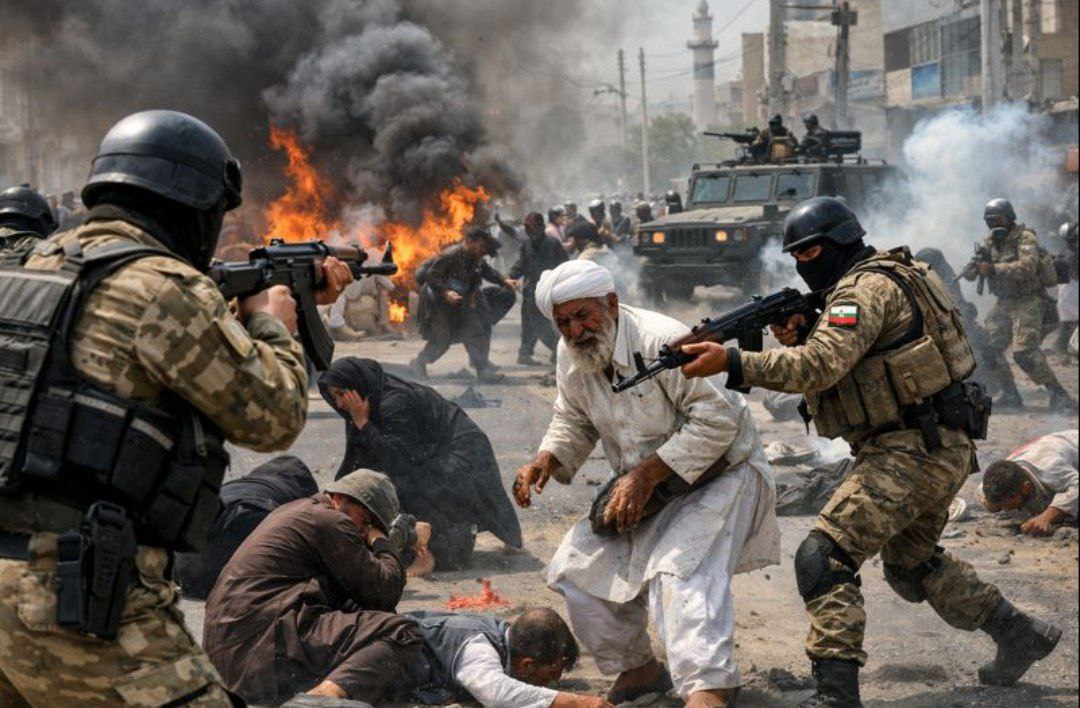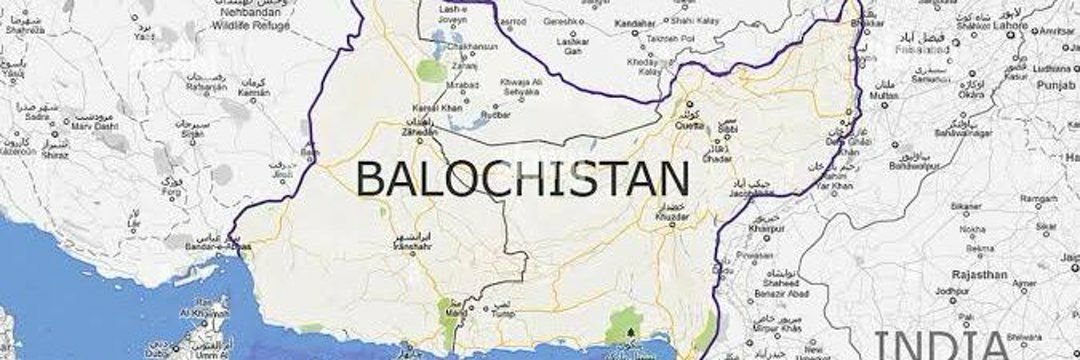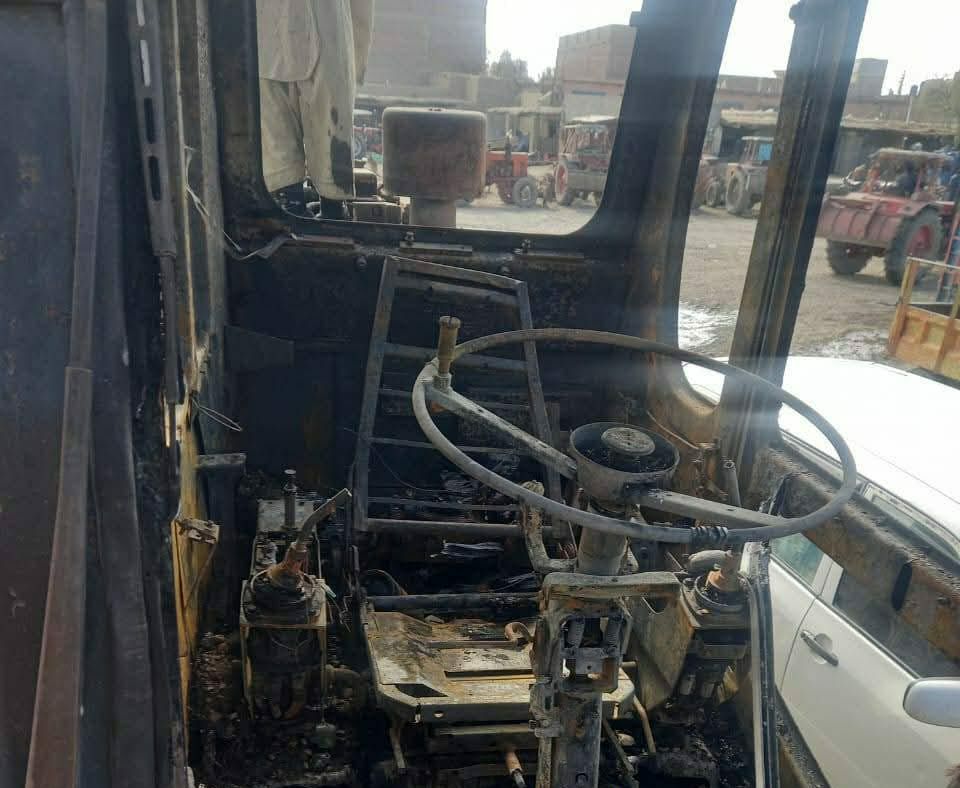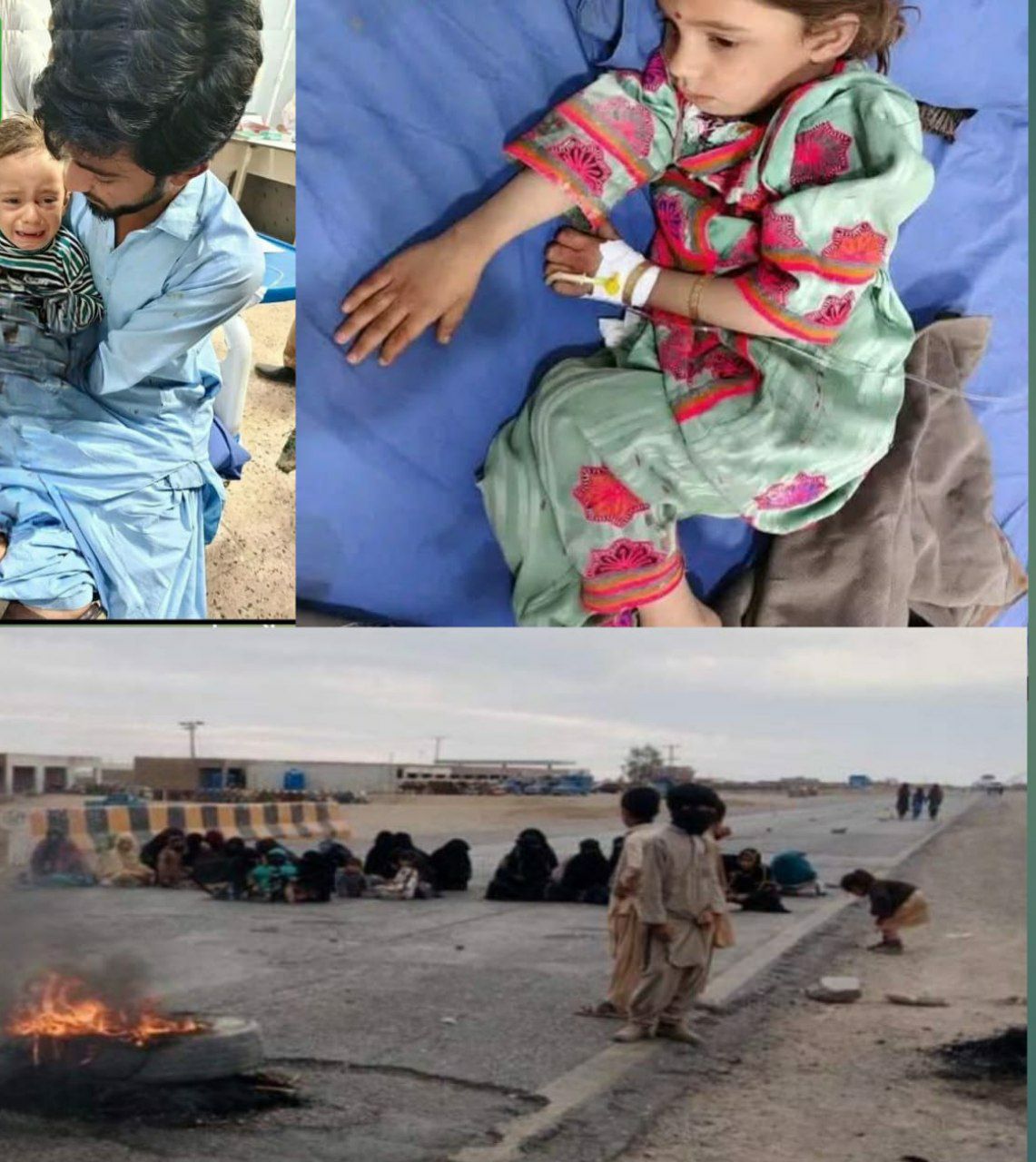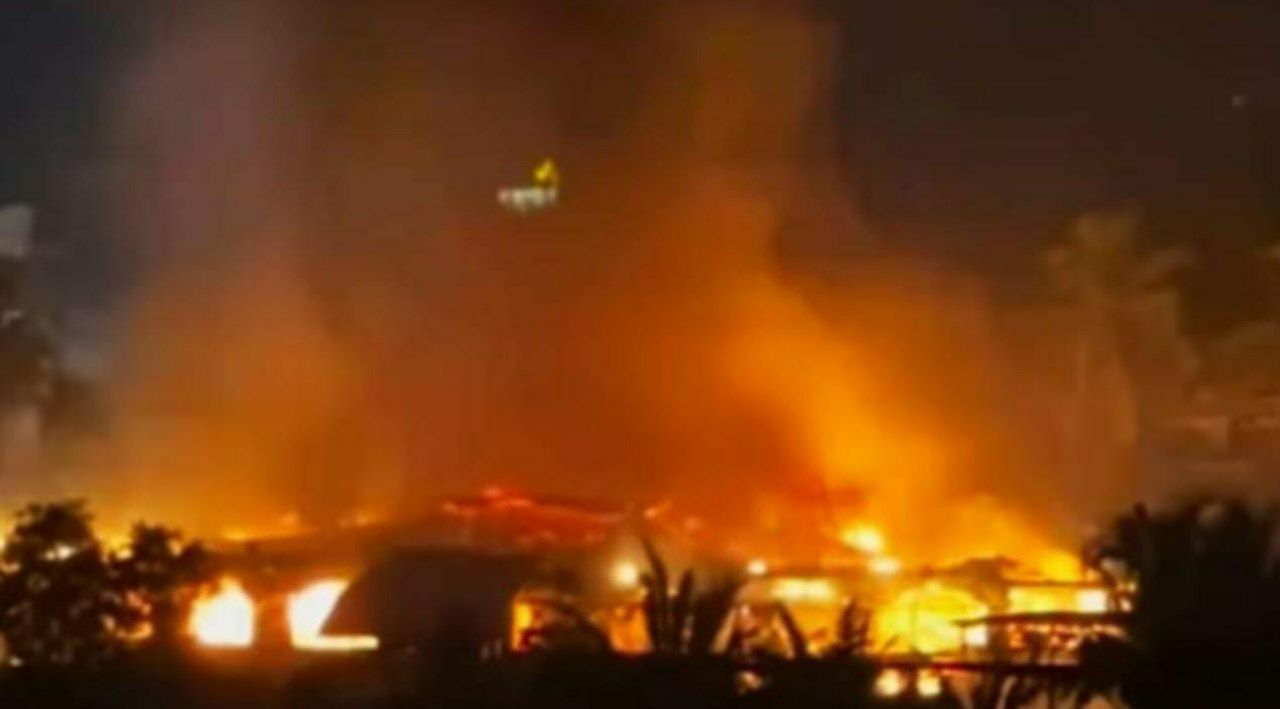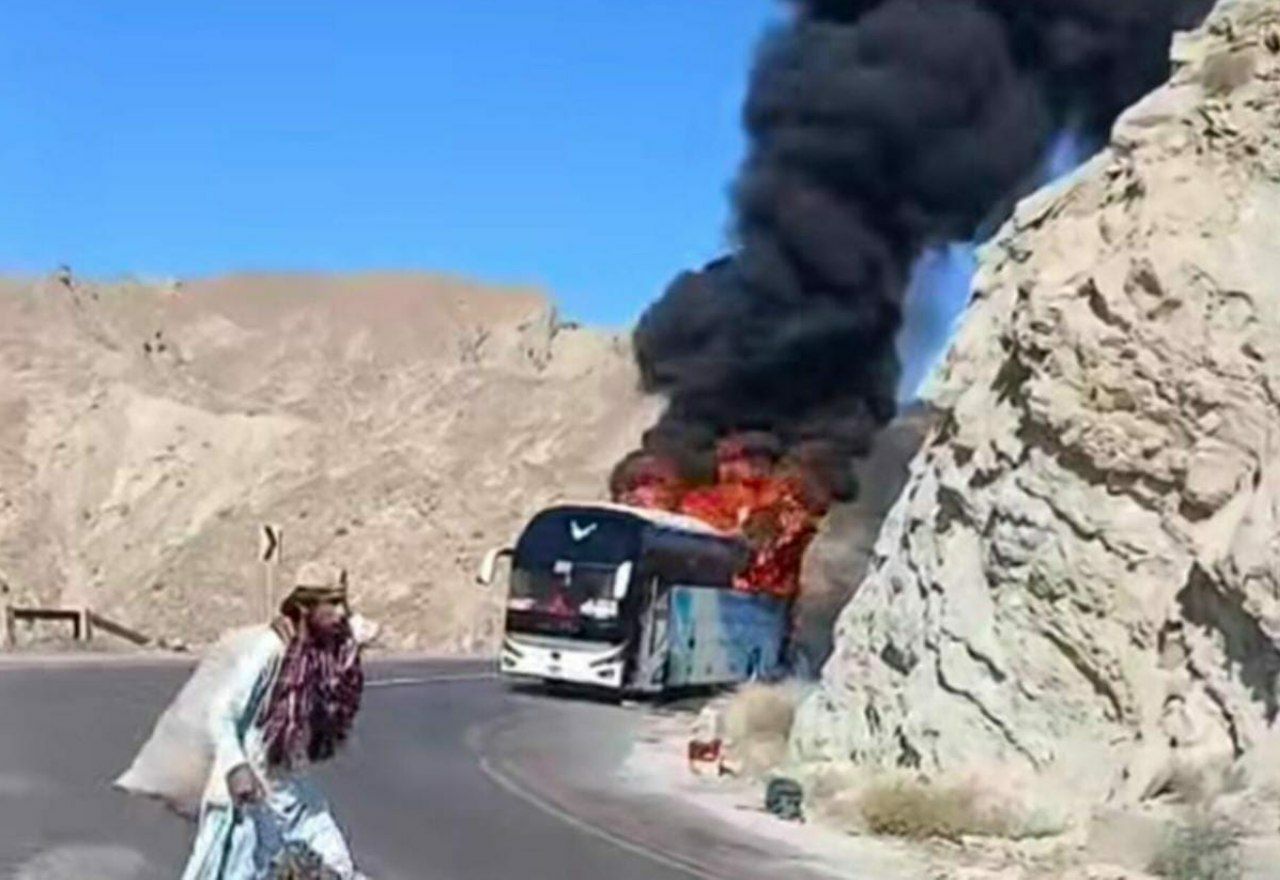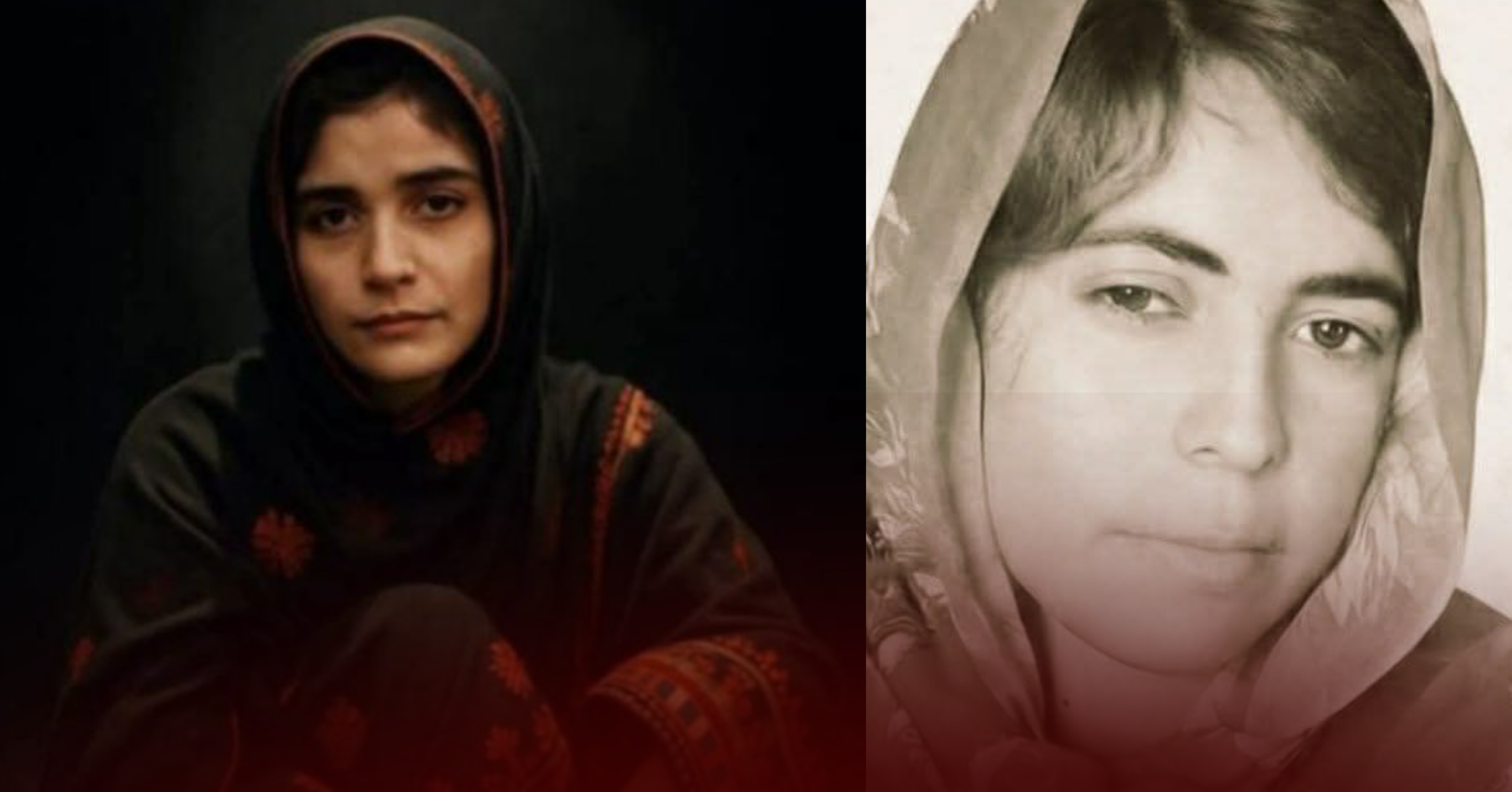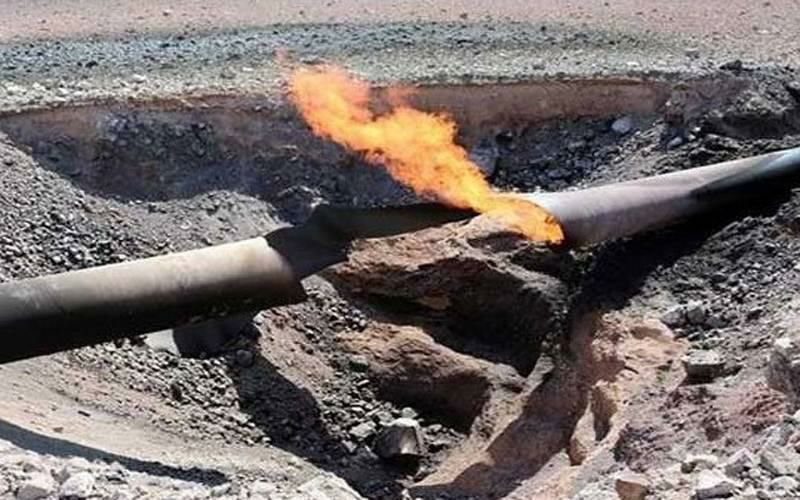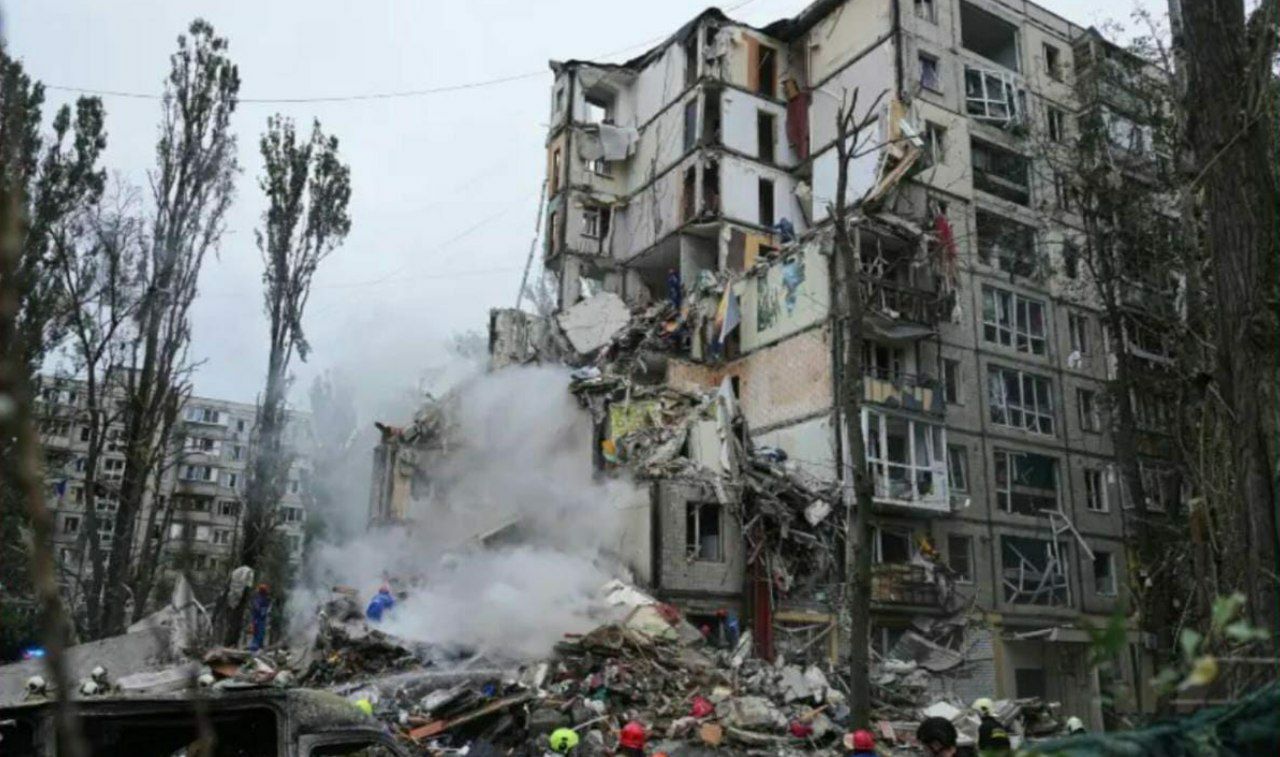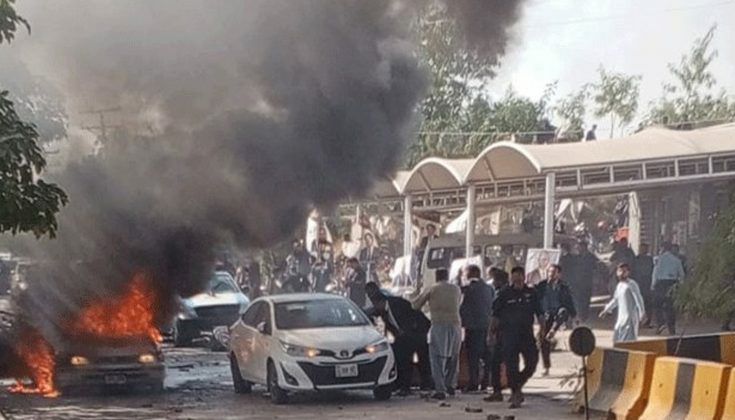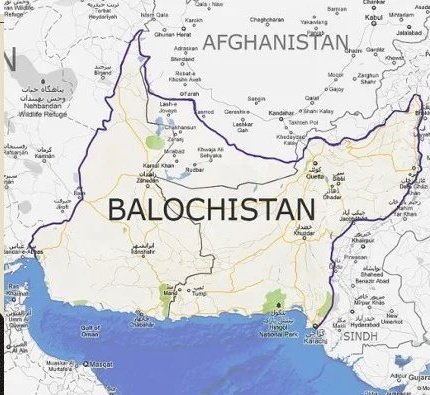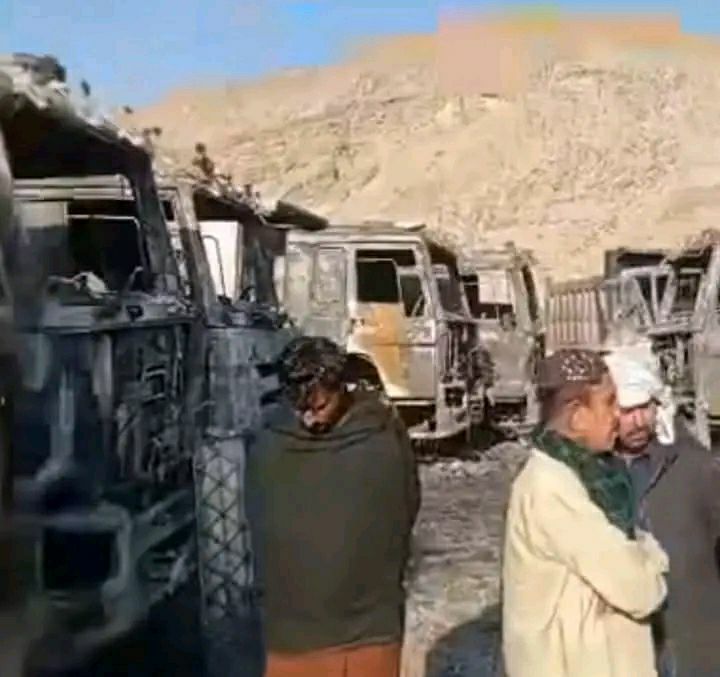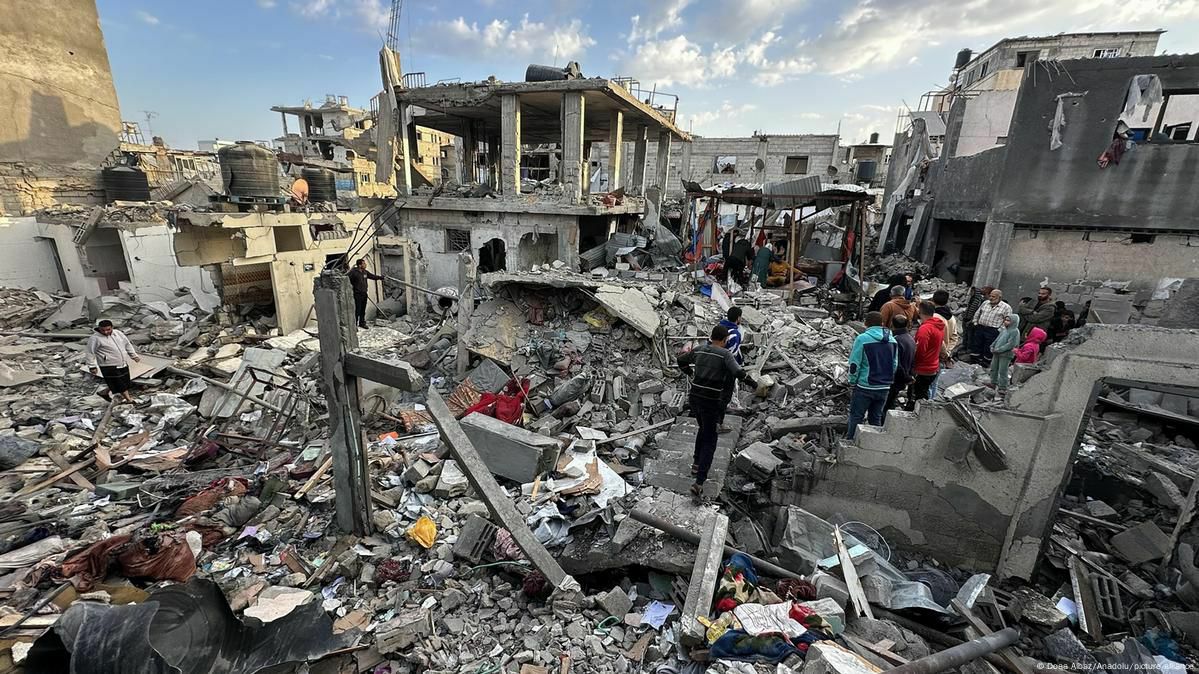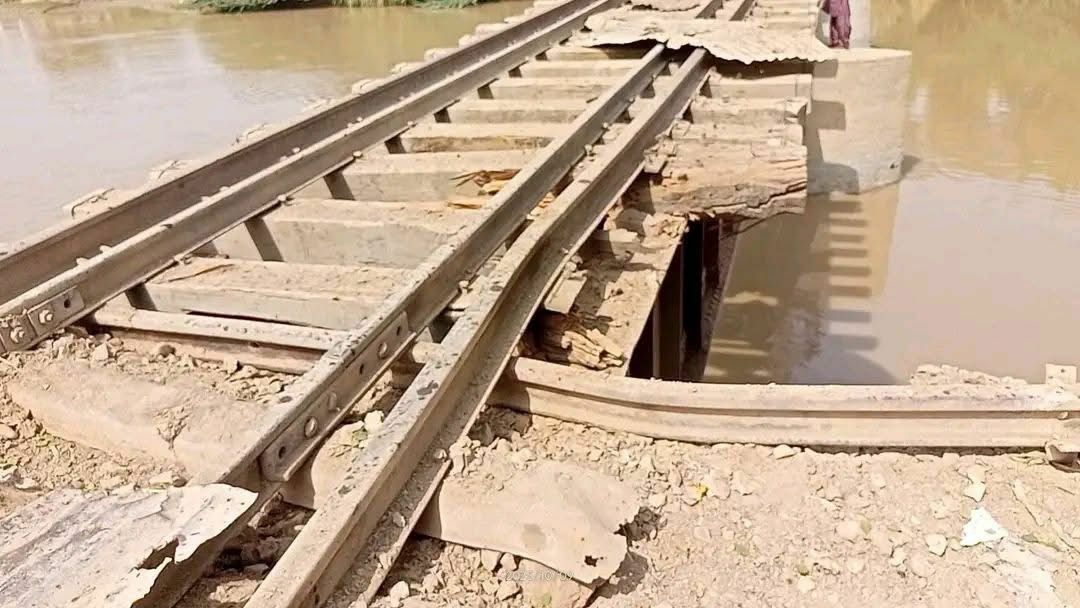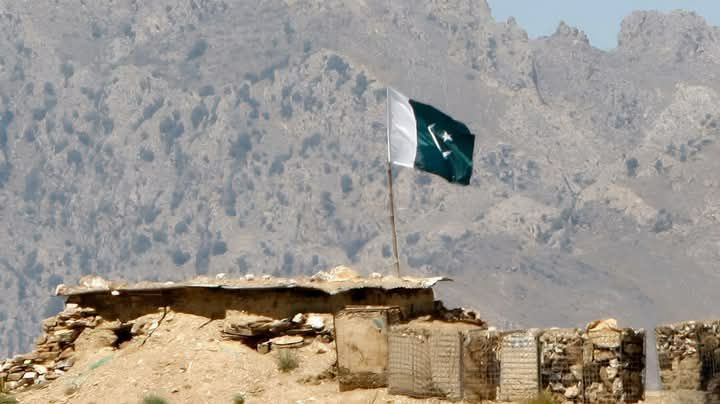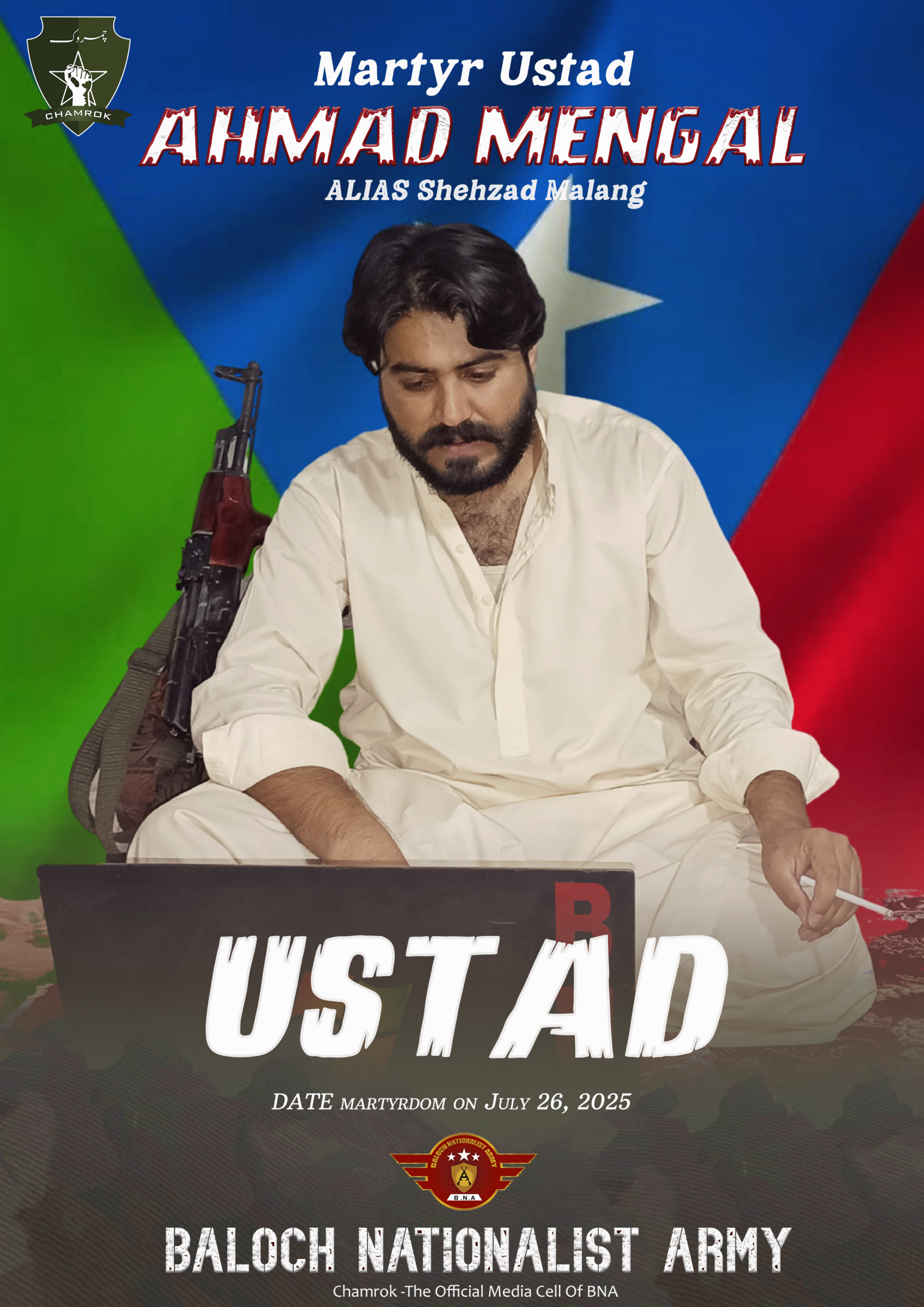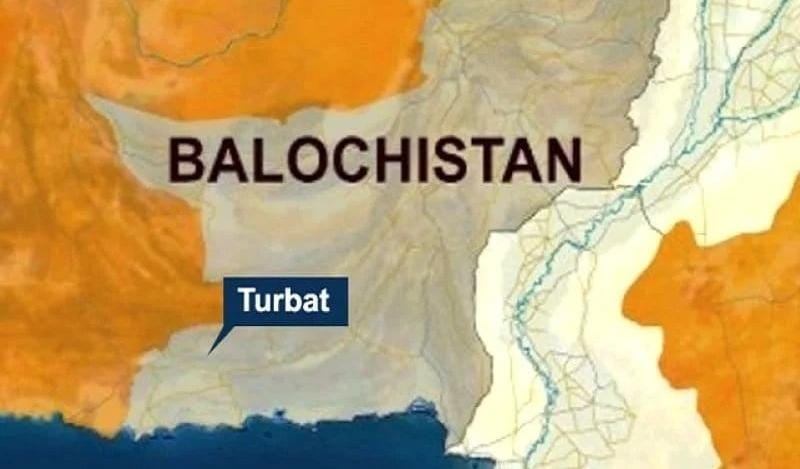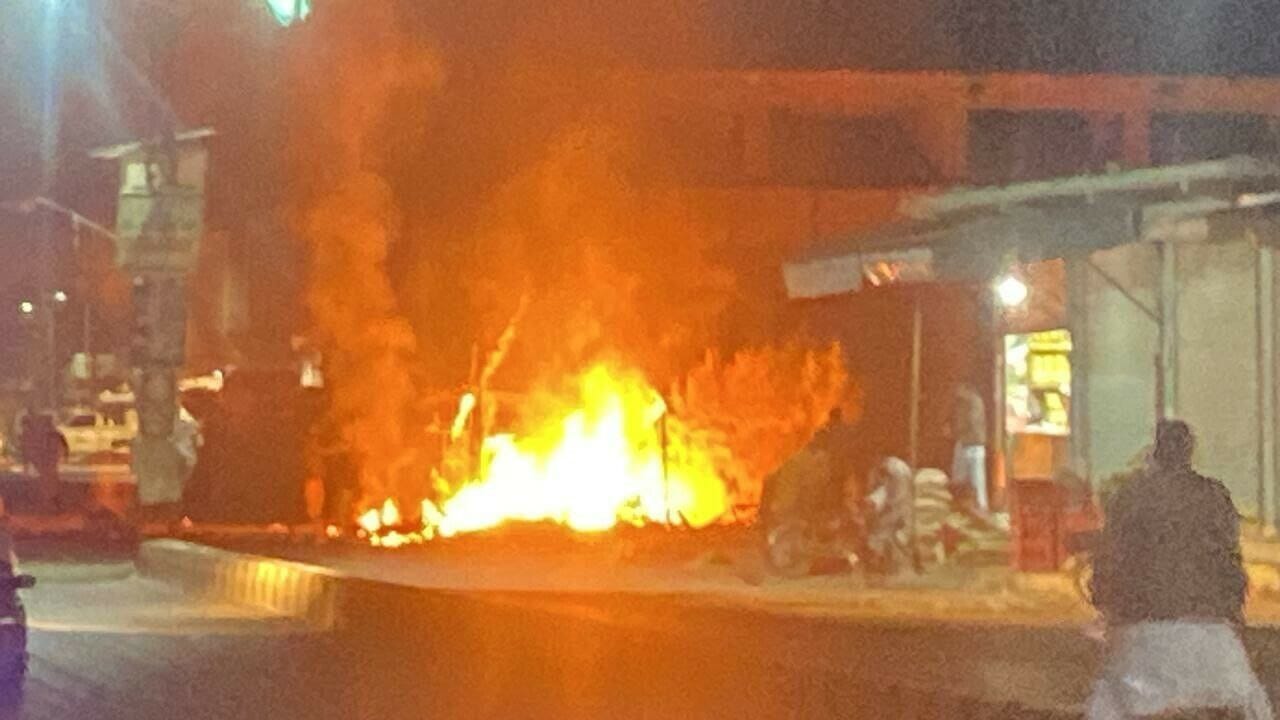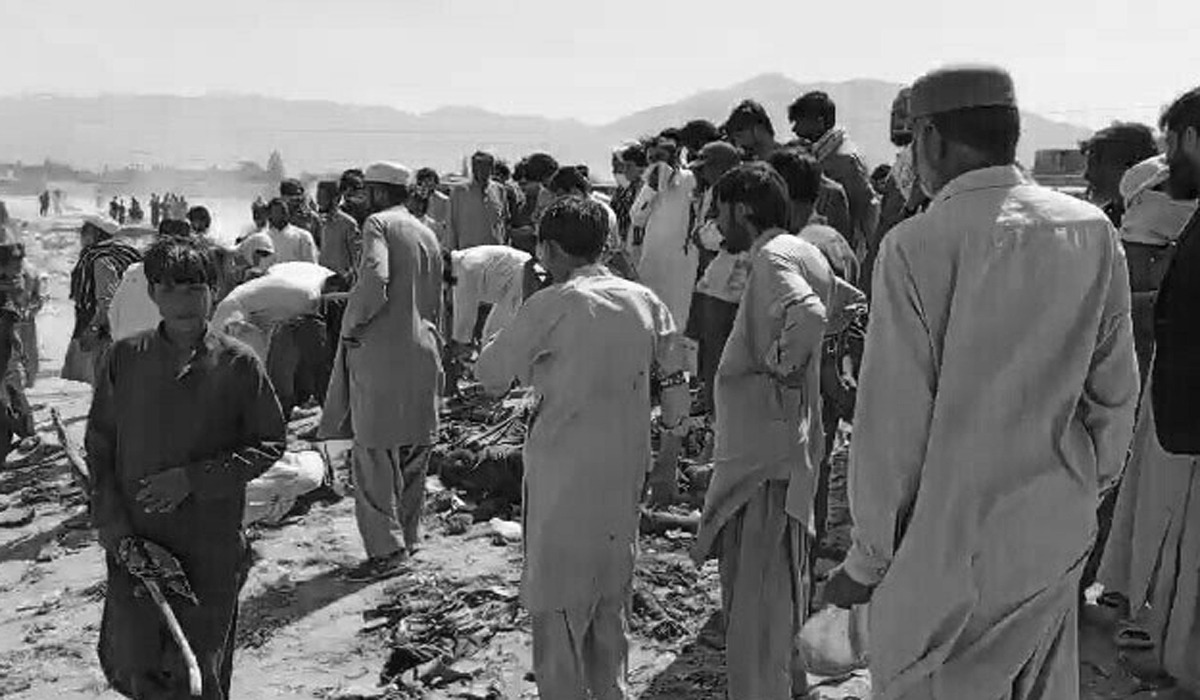
The drone attack on Mehrgarh, one of the earliest known archaeological settlements in human history, represents a grave assault on a site of Outstanding Universal Value. It is an attempt to erase a foundational chapter of human civilization and the cultural memory of the Baloch and Kurdish peoples, whose ancestors contributed to the development of early urban society in this region.
Mehrgarh is recognized by archaeologists worldwide as one of the oldest Neolithic and Chalcolithic settlements, dating back to the 7th millennium BCE. It is a shared heritage of all humanity. The site documents early advances in town planning, ceramic technology, dentistry, geometry, proto-chemistry, agriculture, and time-keeping developments that emerged when many human communities elsewhere still lived in nomadic or cave-based conditions.
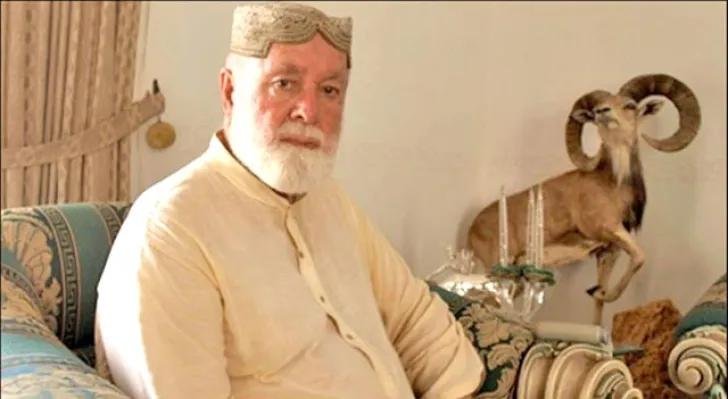
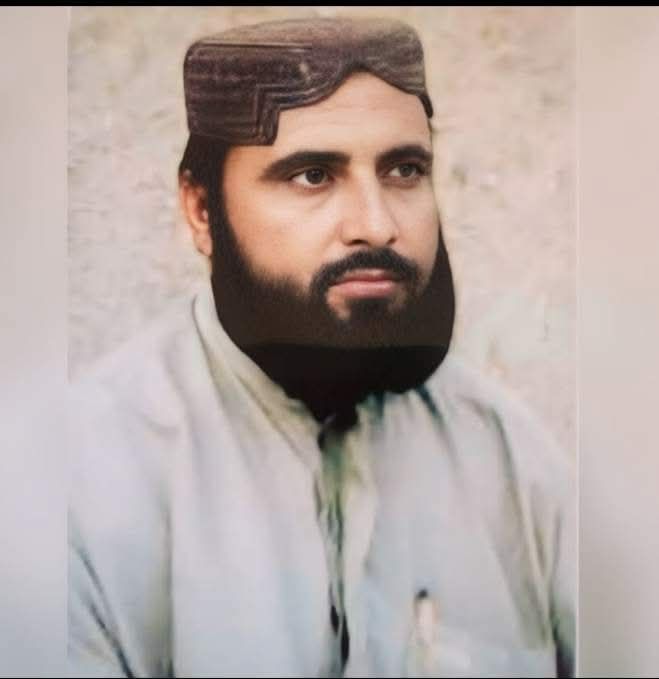
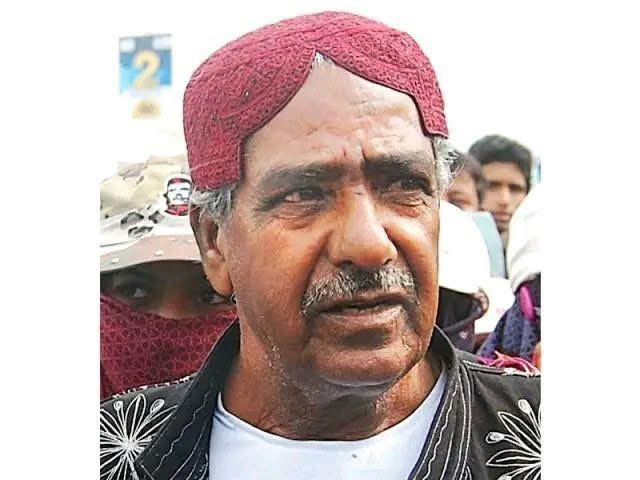
The modern rediscovery of Mehrgarh is credited to Nawab Ghaus Bakhsh Raisani, a Baloch tribal leader who personally invited the French archaeological mission to examine the buried site in 1974. In Mehrgarh: Field Reports 1974–1985, Jean-François Jarrige, Catherine Jarrige, Richard Meadow, and Gérard Quivron explicitly acknowledge his role in guiding them to the location.
At the time, the French team was informed by state officials that Balochistan was unlikely to contain major archaeological remains and that any objects found might simply be remnants of ancient trade caravans. However, scientific analysis in France including radiocarbon dating, strati-graphic study, and material-culture analysis revealed that the artifacts belonged to one of the oldest urbanizing societies ever documented. This discovery fundamentally reshaped global understanding of early human civilization.
Despite its global significance, Mehrgarh has not received adequate protection, conservation planning, or emergency safeguarding measures. Over decades, the site and its artifacts have suffered from:
Looting and illicit trafficking, in violation of the 1970 UNESCO Convention, Neglect and lack of protective infrastructure, Damage from natural disasters, Restricted access for international archaeologists and heritage experts
These conditions place Mehrgarh at severe risk of irreversible loss. The recent drone strike escalates this danger and threatens not only a cultural site but an irreplaceable chapter of human history.
For the Baloch people, Mehrgarh is not only an archaeological site, it is a cornerstone of cultural identity, historical continuity, and collective memory. The destruction of cultural heritage during periods of conflict or political repression is recognized internationally as a violation of cultural rights, protected under:
The UN Declaration on the Rights of Indigenous Peoples (UNDRIP)
The International Covenant on Economic, Social and Cultural Rights (ICESCR)
The Hague Convention for the Protection of Cultural Property in the Event of Armed Conflict (1954)
Attacks on cultural heritage are understood by UNESCO and the International Criminal Court (ICC) as potential components of broader patterns of violence against communities.
Call for International Action
We call upon:
UNESCO
ICOMOS (International Council on Monuments and Sites)
ICCROM (International Centre for the Study of the Preservation and Restoration of Cultural Property)
UN Special Rapporteur on Cultural Rights
International archaeological institutions and global civil society to urgently intervene, monitor, and support the protection of Mehrgarh. Immediate steps should include:
Emergency assessment and documentation of damage
Deployment of heritage-protection experts
International monitoring of the site
Guarantees of safe access for archaeologists and conservation teams
Long-term safeguarding measures to preserve the site for future generations
Support and Coordination with Baloch Activists and Cultural Leaders
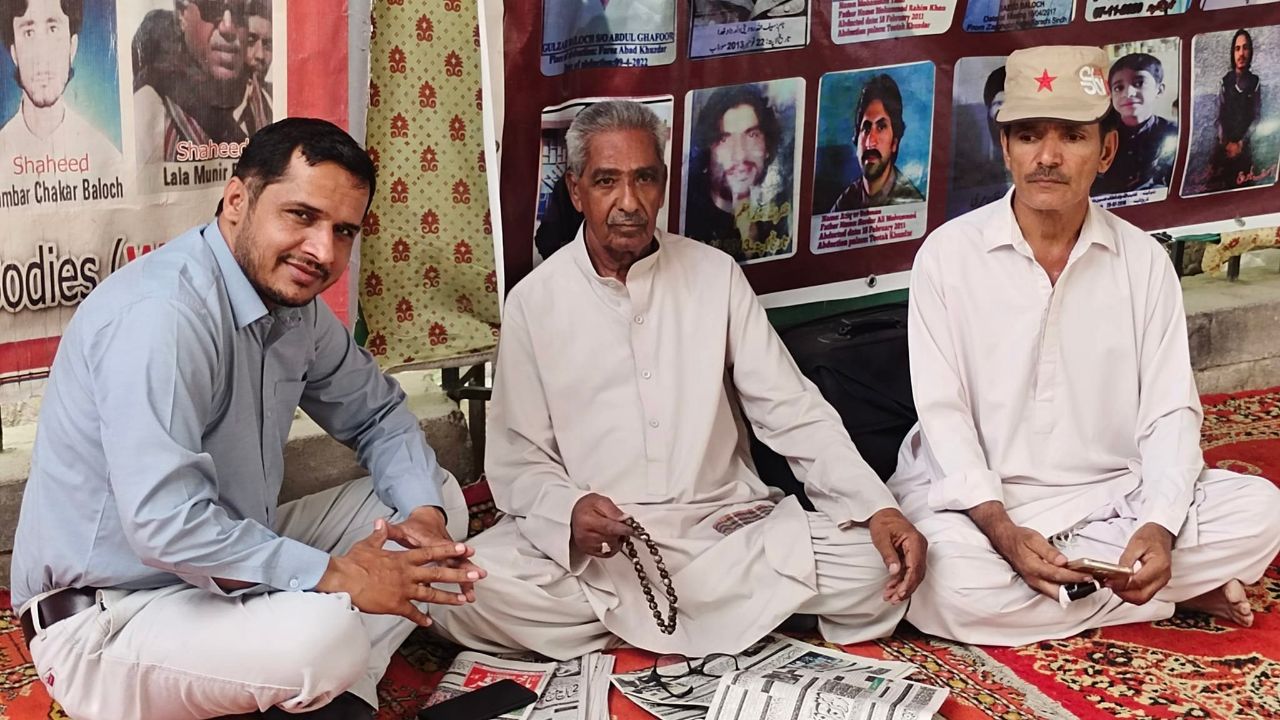
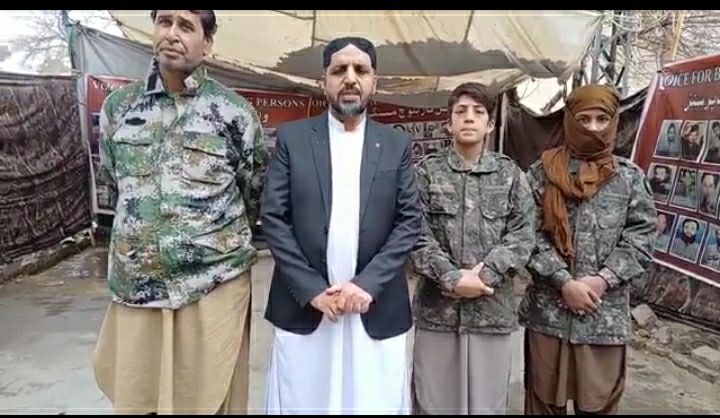
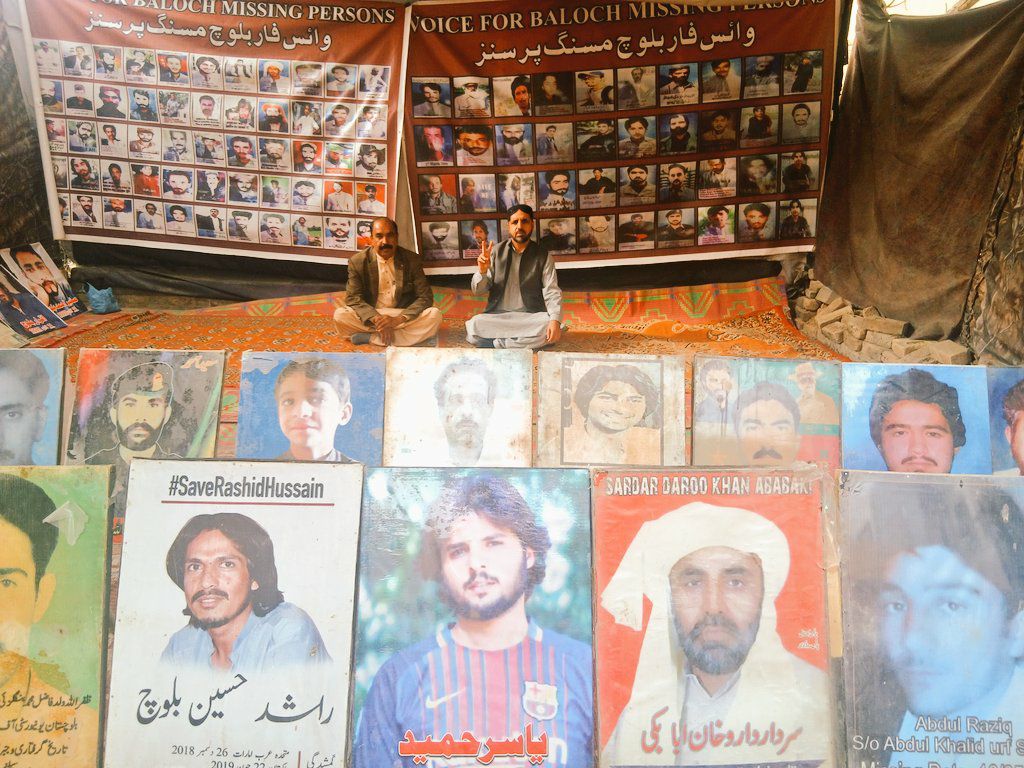
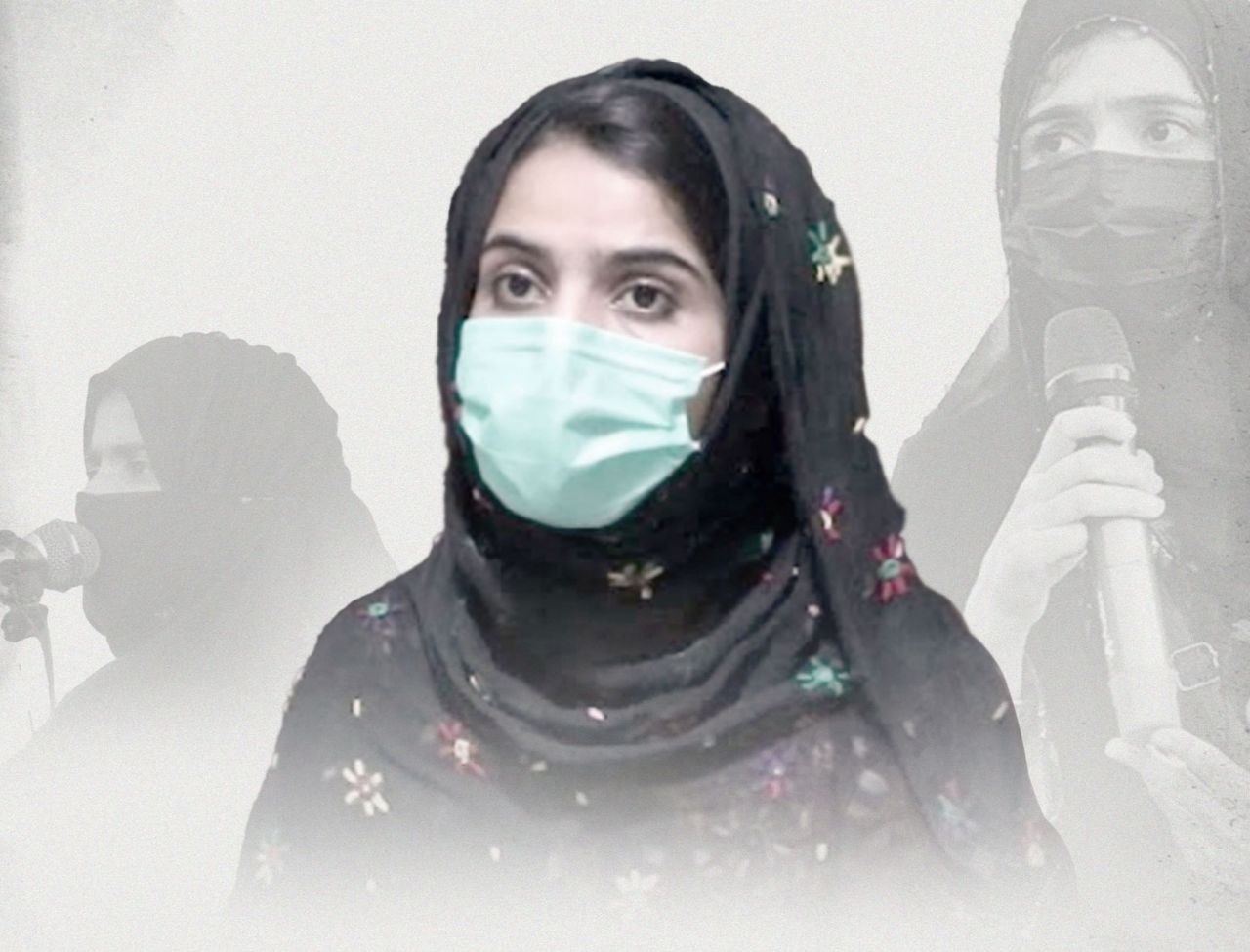
Any international intervention must include formal coordination with and support to Baloch activists, cultural leaders, and community organizations who have been raising their voices and working tirelessly to protect Mehrgarh. Their role is essential because:
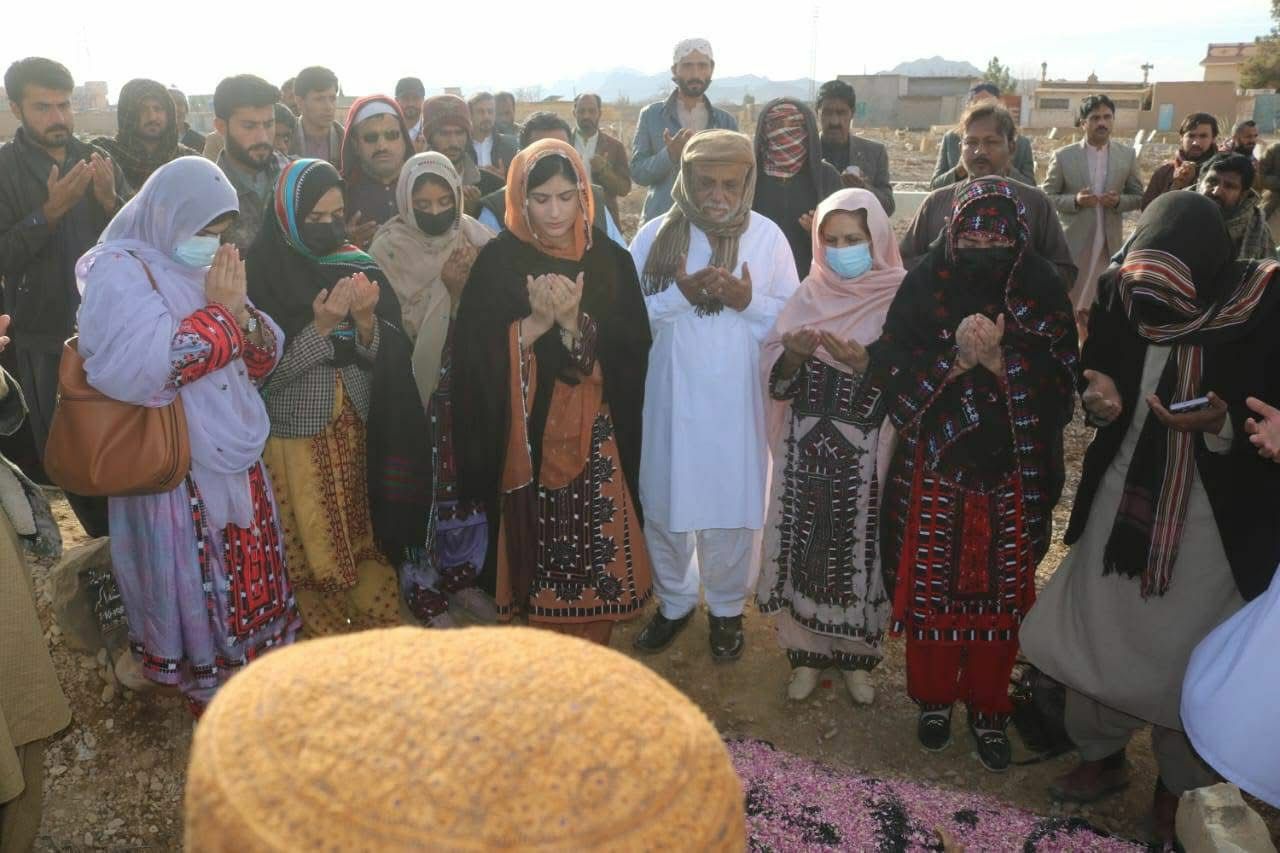
They are the primary custodians of the cultural memory and identity connected to Mehrgarh.
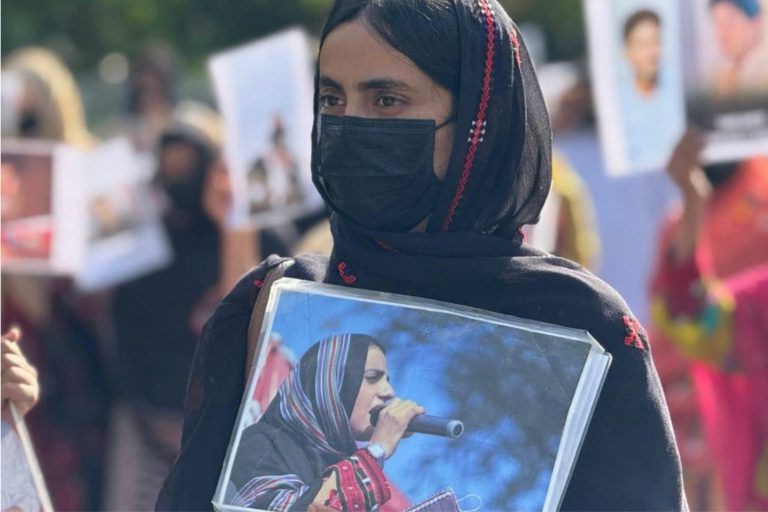
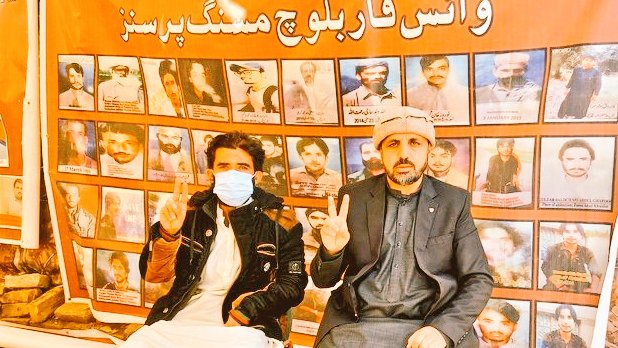
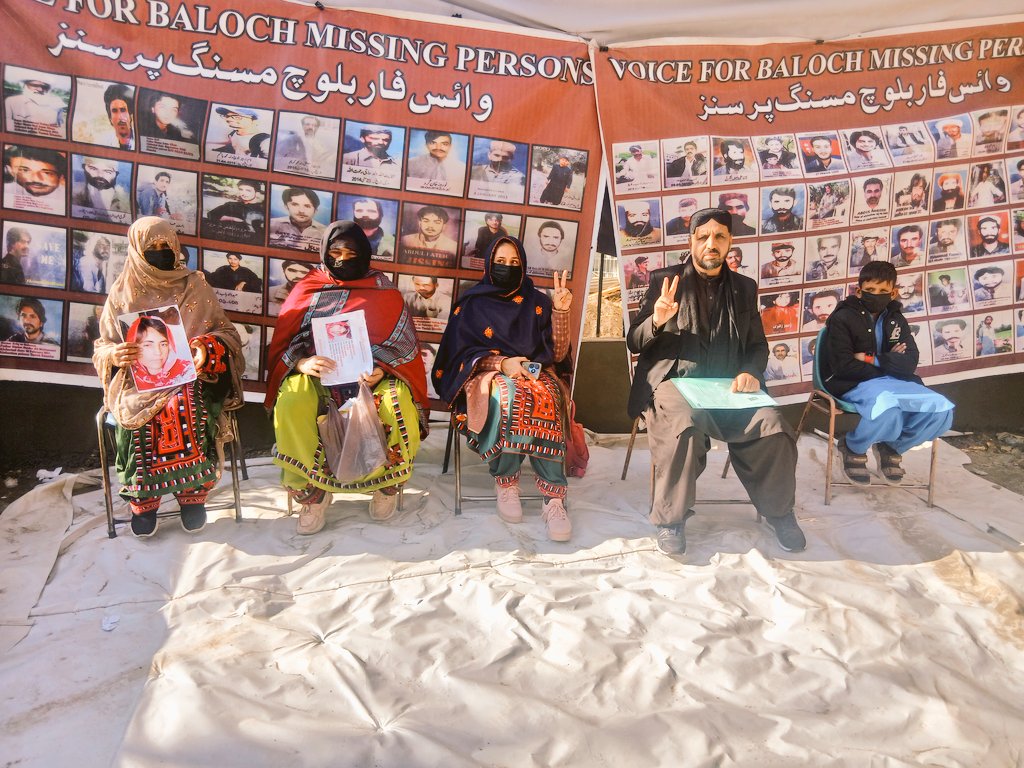
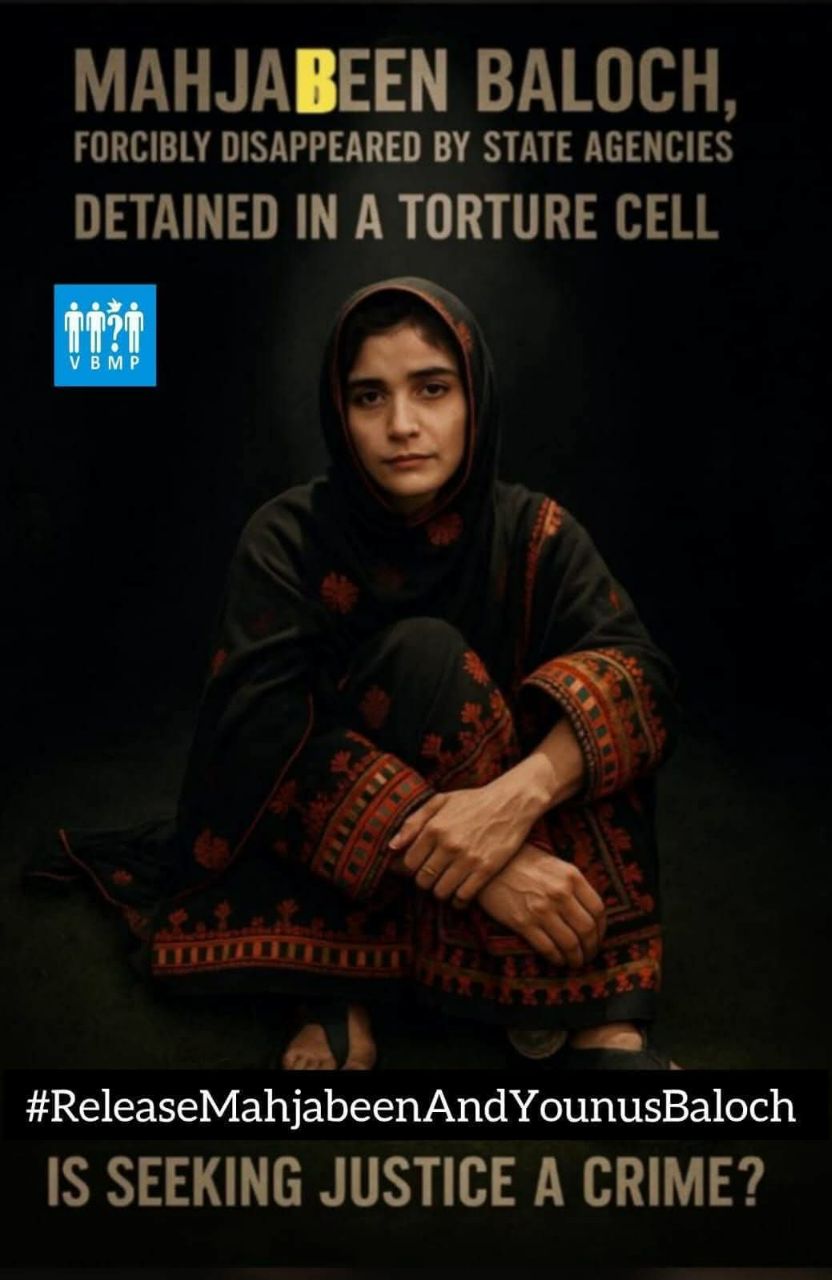
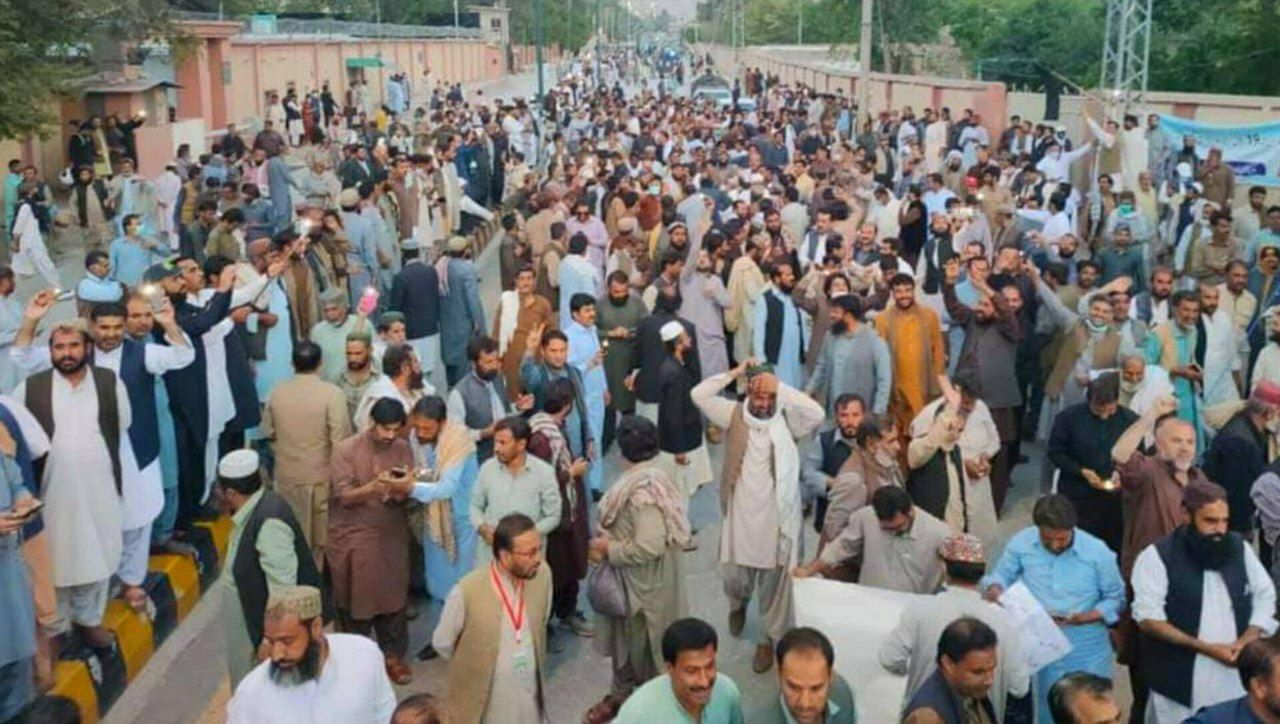
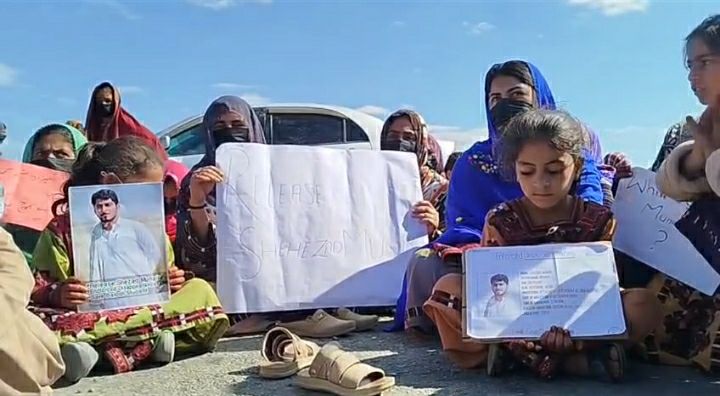
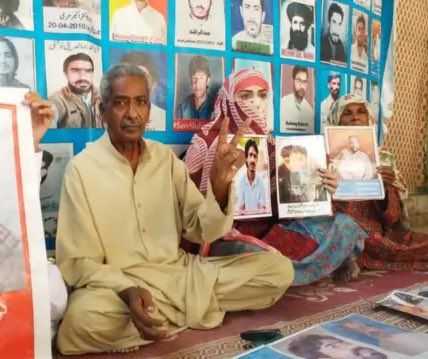
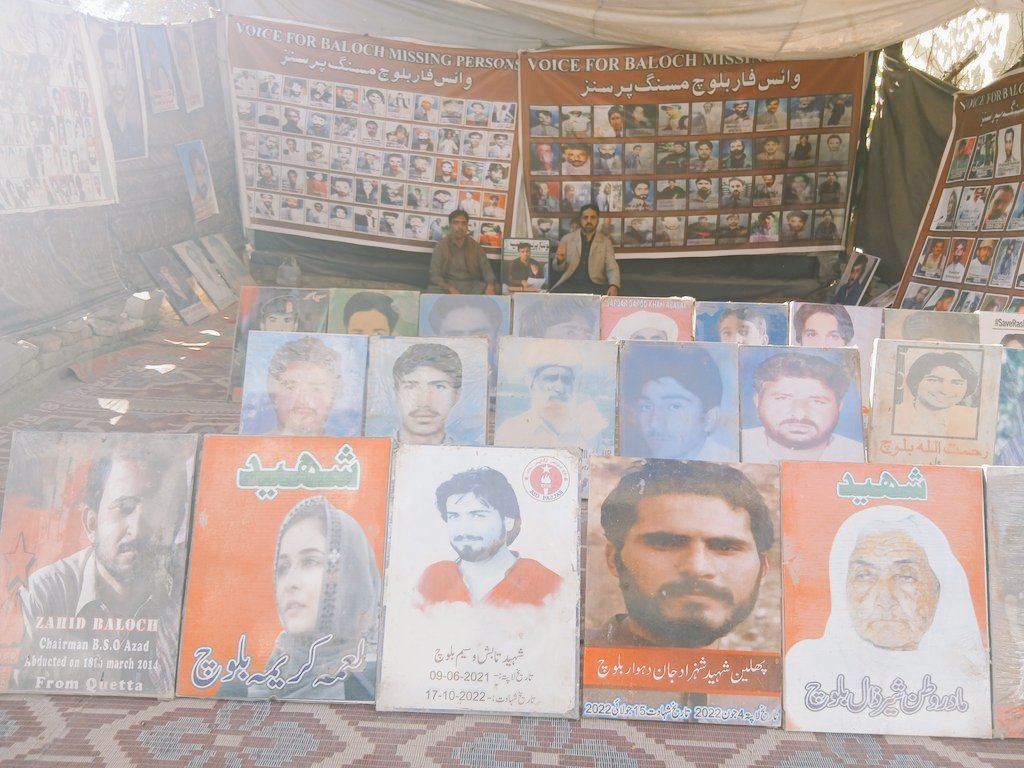
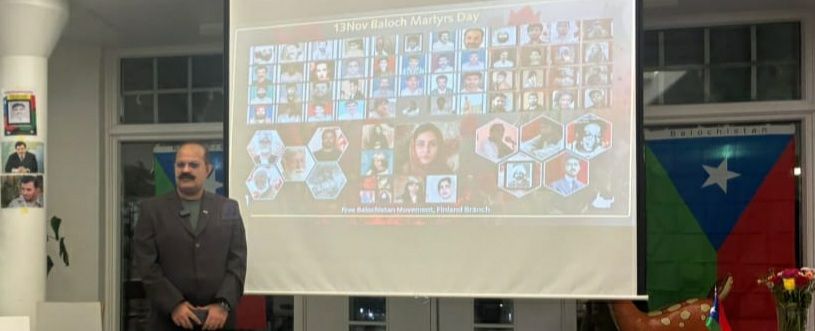
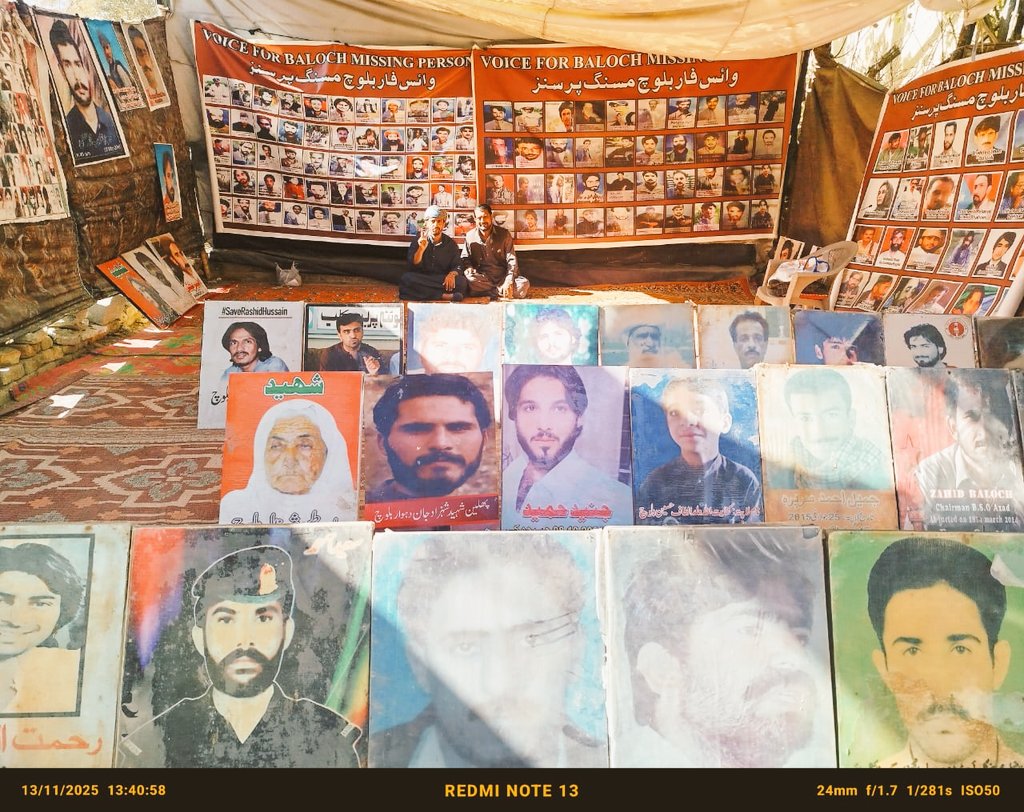
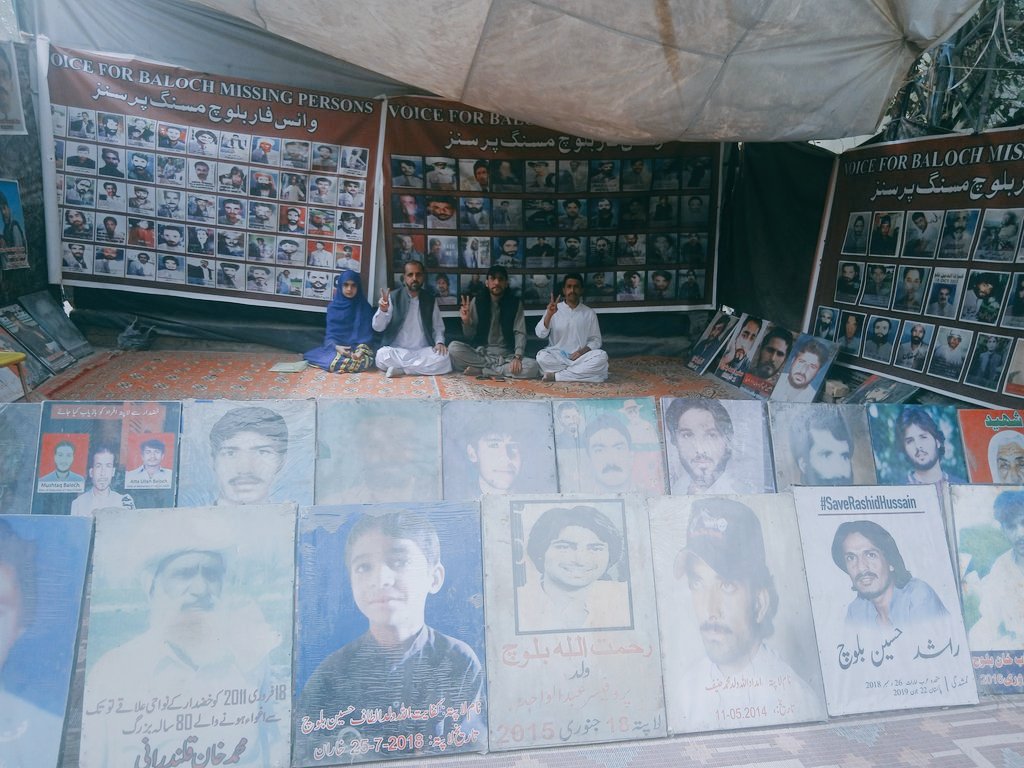
They have been documenting threats, mobilizing awareness, and advocating for protection despite severe risks.
They possess local knowledge, oral histories, and community networks critical for effective safeguarding.
Sustainable heritage protection requires community participation, as recognized by UNESCO’s Operational Guidelines for the Implementation of the World Heritage Convention and UNDRIP’s cultural-rights framework.
International organizations must therefore:
Engage Baloch civil-society groups as equal stakeholders in all heritage-protection planning.
Provide technical, legal, and advocacy support to Baloch activists working to safeguard the site.
Ensure protection of cultural defenders, in line with UN guidelines for human-rights defenders.
Recognize the Baloch community’s right to access, preserve, and transmit their cultural heritage.
Mehrgarh is a treasure of humanity. Its preservation is essential not only for the Baloch-Kurd people but for all who seek to understand the origins of human society. Protecting Mehrgarh ensures that future generations can visit, study, and connect with one of the earliest expressions of human ingenuity and collective wisdom.