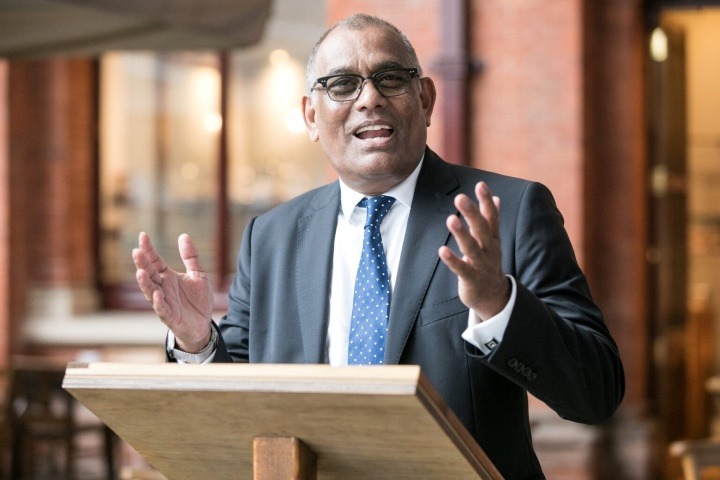
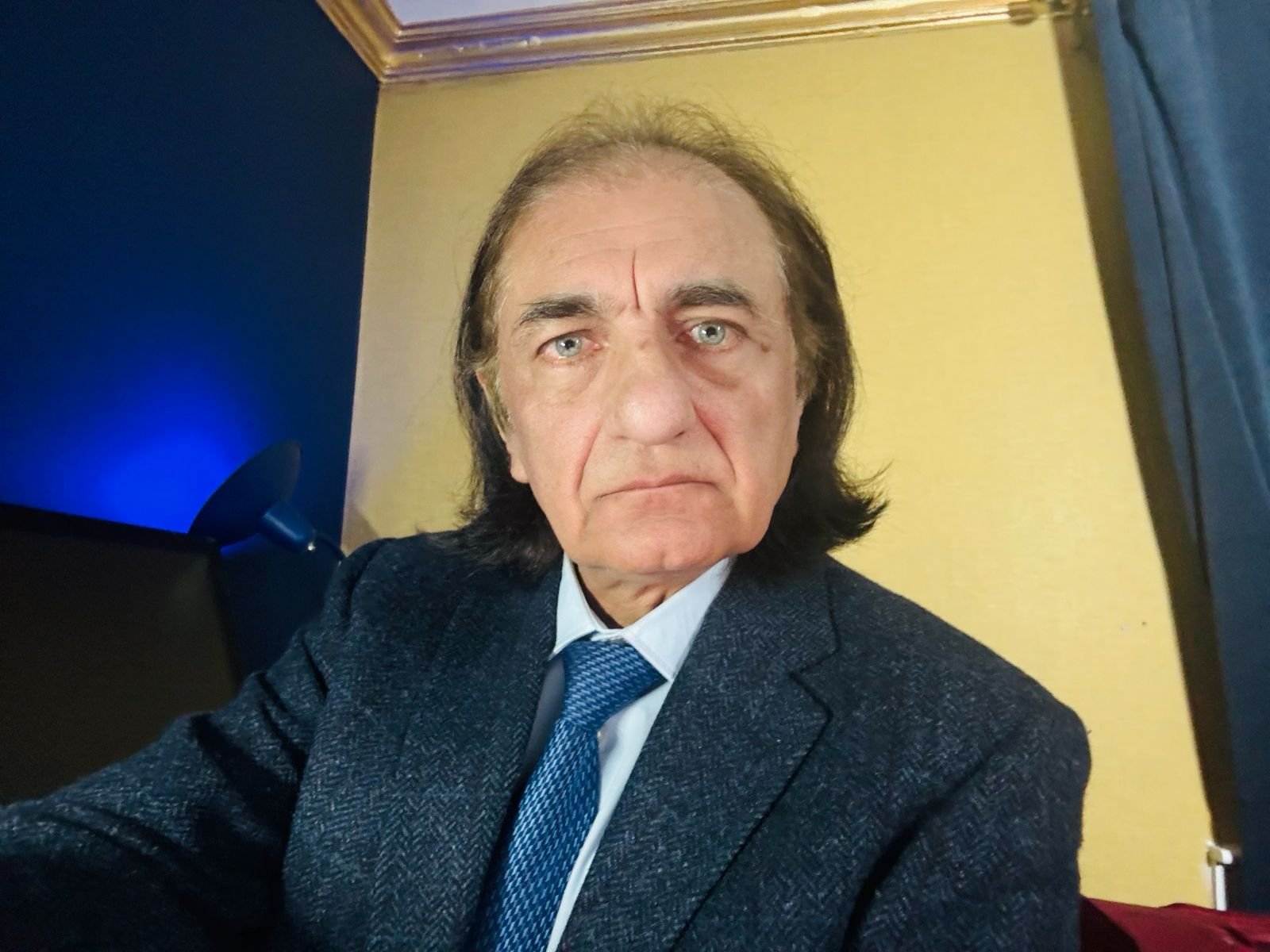
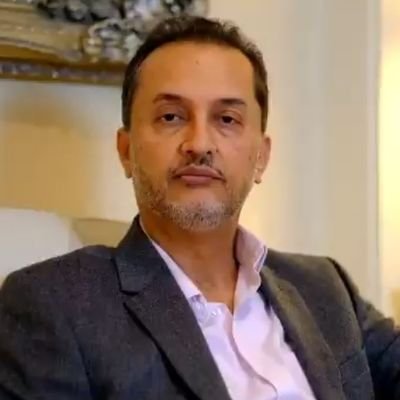
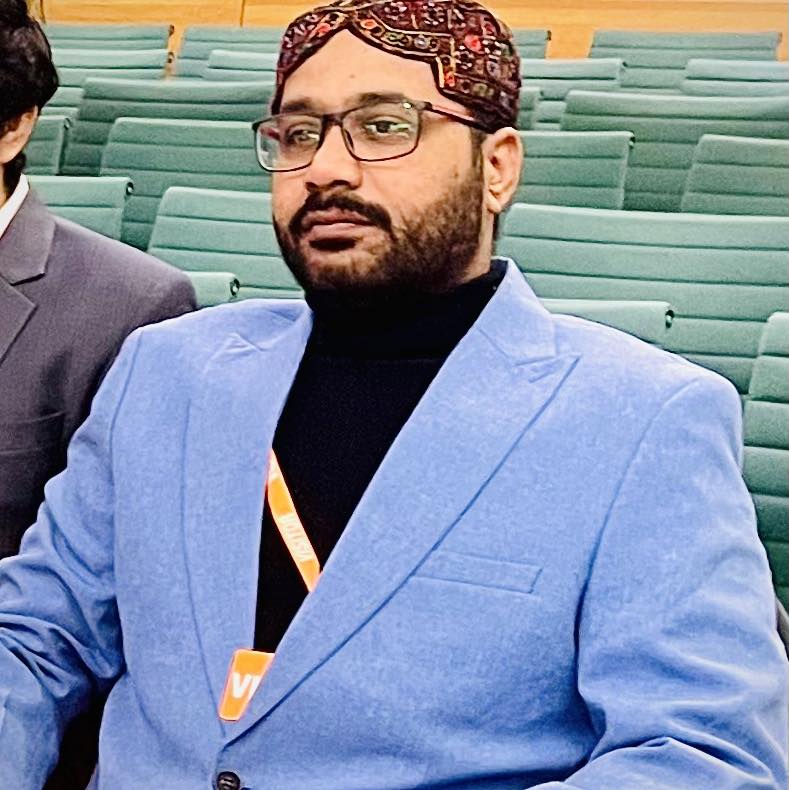
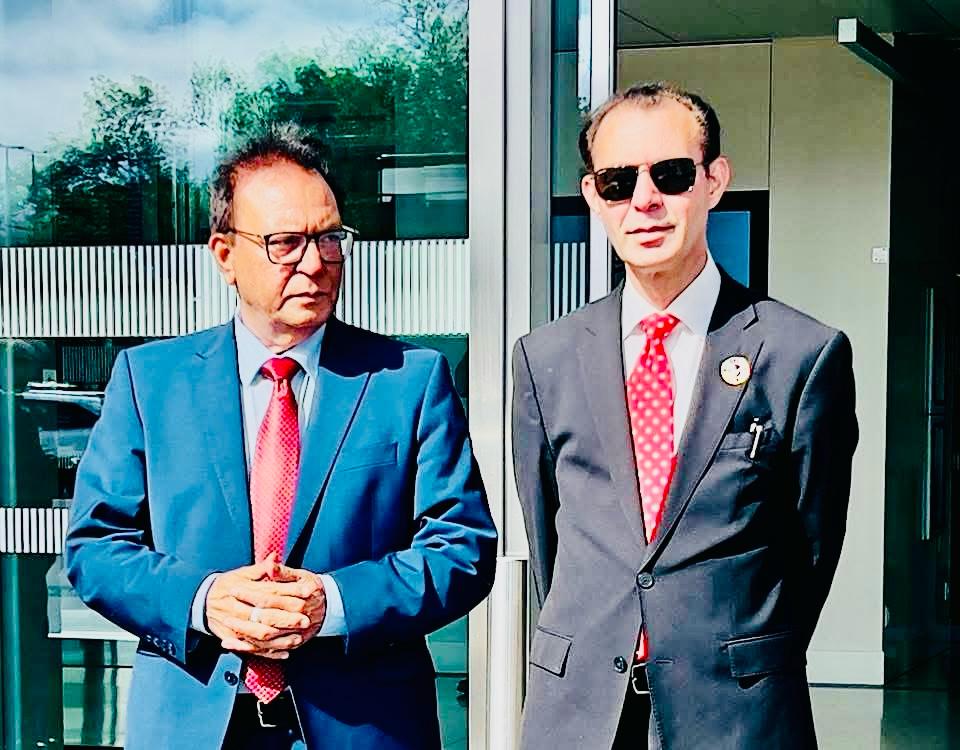
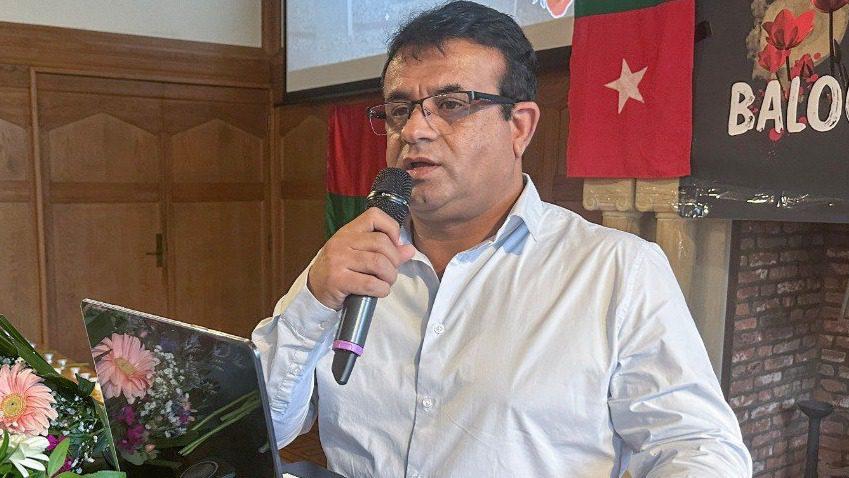
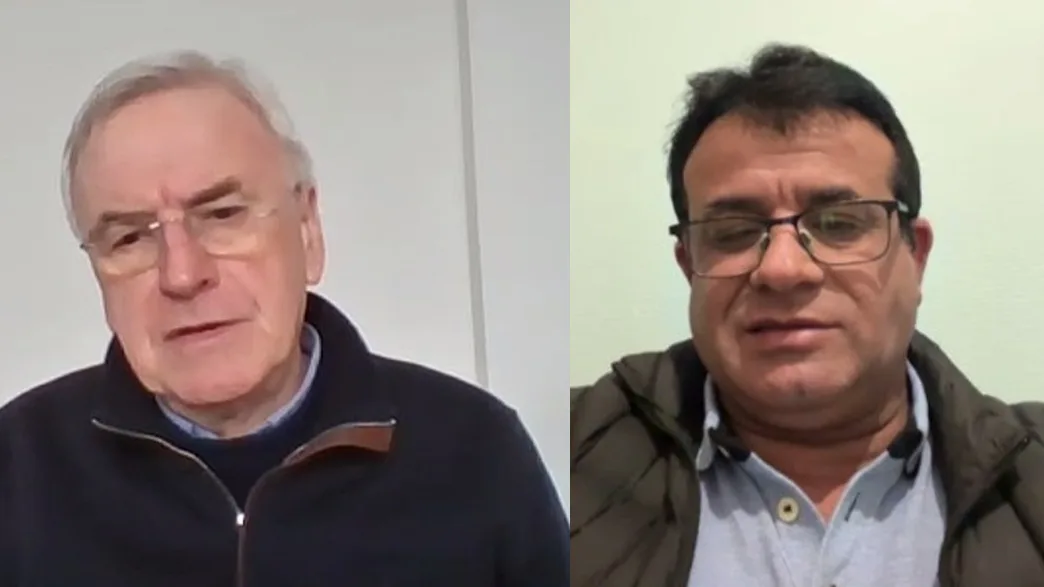
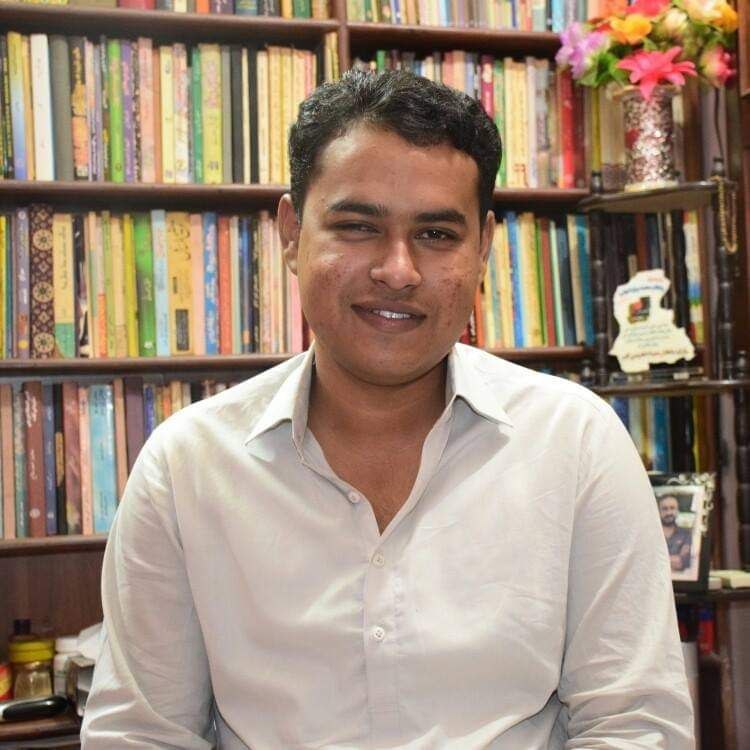
Among the handful of people striving to get justice for the people of Bangladesh for the atrocities they faced at the hands of the Pakistani Army (then East Pakistan), is the Conservative Councilor from Northampton shire, Imran Chowdhury.
A British politician fighting for the recognition of the 1971 genocide, an event which many Bangladeshis have tried to cover-up under various pretexts, seems surprising.
Chowdhury has been pursuing the case doggedly as he feels Pakistan got away lightly due to support from the West and from the Muslim fraternity. His relocation from Bangladesh to the UK has not dimmed his zeal or his campaign for holding Pakistan accountable for the gruesome war crimes against the Bengalis.
In the UK, Chowdhury was awarded a British Empire Medal (BEM) in 2020 by the Queen for social work and promoting multi-culturalism. India Narrative chats up with Chowdhury over the spread of radicalism in Bangladesh and how he plans to forge ahead with his campaign for reparations from Pakistan for the war crimes of 1971 that birthed Bangladesh.
Question: You have been in the UK now for a long time and are a councillor with the Conservative Party. So, why are you running a campaign on the 1971 genocide of the Bengalis by the Pakistani Army?
Imran Chowdhury: I strongly believe that what has happened to my family and other Bengalis in 1971 is a clear violation of human rights. It is a genocide, racial annihilation and systematic rapes that were perpetrated on the Bengali people in East Pakistan.
It was a deliberate plan to wipe out the Bengali race whether the people were Muslim or Hindu. It was to cripple the infrastructure in Bengal completely. Besides the atrocities on the Bengali people, it was also extortion of national wealth from that region.
I believe that the onus lies with the world to bring the perpetrators to justice. Nobody has valued the ocean of blood that the Bengalis have poured in for their independence from Pakistan.
But let me also add this – when everything had failed for the Bengali people, it was humanity that triumphed. This was at the people-to-people level. The way the Indian people supported us as refugees will forever remain etched in my mind. I am eternally indebted to India.
Some of the most poignant memories in my mind are from the time I was a refugee. At any moment in India if any Bangladeshi refugee merely uttered the word “Joy Bongala”, he would get free food, free barber services, a free bus ride. The Indians knew our pain. I think only the Indian people understood our suffering and supported us when our own people, the Pakistanis were killing us.
Question: Why has the world ignored the Bengali genocide?
Imran Chowdhury: There are numerous reasons that the world has ignored the Bengali genocide and these are both religious and geopolitical.
The Western world has put the 1971 war on the backburner of history as they have always sided with Pakistan since 1947. In the Western psyche, ignoring the Bengali genocide comes from the same belief that Jammu and Kashmir (J&K) has been snatched away from Pakistan by India. Similarly, the West thinks that Bangladesh has been snatched away from Pakistan.
Within the Muslim world, it is seen as an ignominy. It is also one of the few times that a Muslim warrior surrendered alive to a non-Muslim in the history of warfare. It remains a stigma for the Muslims, therefore, they do not want to talk about it. Also, as the confluence of Islamic Brotherhood and Wahhabi ideologies set root in Bangladesh, they watered down the bad feelings of the 1971 genocide.
Question: There is news that radicalisation is happening in Bangladesh in a major way. How is that taking place despite a strong government?
Imran Chowdhury: Islamisation of the country was happening from both ends – the Islamic Brotherhood and Wahhabism. The Jamaat in Bangladesh is now more Bengali than Pakistani. Radicalisation in Bangladesh is an expedition of a multi-pronged quest, yet nobody is looking at it under a microscope to understand its nucleus. We know that radicalisation is happening clandestinely but we do not know if it is organised or sporadic. But we know that the results are going to be the same.
The organised Islamist political parties got rattled after the war crimes trials by Sheikh Hasina’s government. After that the fundamentalists changed their modus operandi. The political school of thought, which believes in radicalisation, is carrying on with its activities with minimum exposure.
However, over ten years there has been a mushrooming of clandestine preachers, who hop about in helicopters from place to place addressing small groups of people. This speaker could be a religious teacher, an Imam or a theologist may address just 500-1,000 people. But he will fly from one congregation to another in a rented helicopter two to three such gatherings in a single day.
On a given day Bangladesh may witness 100 such congregations by different kinds of preachers. Each congregation may last 3-4 hours and is an assortment of music, jokes, politics but interspersed with teachings from Islam. This has been happening for at least five years now.
On a single day nearly 25,000-100,000 people are attending these physical meetings, mesmerised completely. The helicopter renting for religious congregations is booming business in Bangladesh now. Though there is nothing illegal or wrong in this, what we have to think about is where is it leading the society to? What the youth listening to, what are they thinking and are they being productive.
Question: What do you want in terms of justice from Pakistan?
Imran Chowdhury: It is crystal clear from all the evidence that individuals and institutions of Pakistan which were involved in the massacre and other violations in Bengal in 1971, should be taken to the international court of justice.
We want the 1971 war crimes to be registered as a genocide and want the Pakistani government and the Pakistani Army to atone for their actions against the Bengalis. Pakistan must apologise to the people of Bangladesh.We also want a public declaration of atonement by the Pakistani parliament.
I think Pakistan should make reparations to Bangladesh. We want the gold relics, artefacts, precious stones, gold coins to be returned back to Bangladesh which were looted by the army.
Question: How will you make all of this happen? The world looks at human rights violations from a coloured lens and even the Bangladeshis want to forget the brutal genocide.
Imran Chowdhury: We will have to persevere and gather more evidence against Pakistan. This is an onerous effort which still includes research and carbon dating. There are mass graves in Bangladesh which are yet to be researched upon.
The victims of Pakistani Army atrocities are still alive in the UK and have a presence all over the world. Then, there are war babies adopted by countries who are a living proof of atrocities by the Pakistani Army on the Bengali women.
Indus worldnews
Indus World News - Voice of Indus nations, delivering unbiased news & in-depth coverage of cultural, political & social developments in the Indus region. Stay informed with reliable updates."