
Karachi, March 23 2025
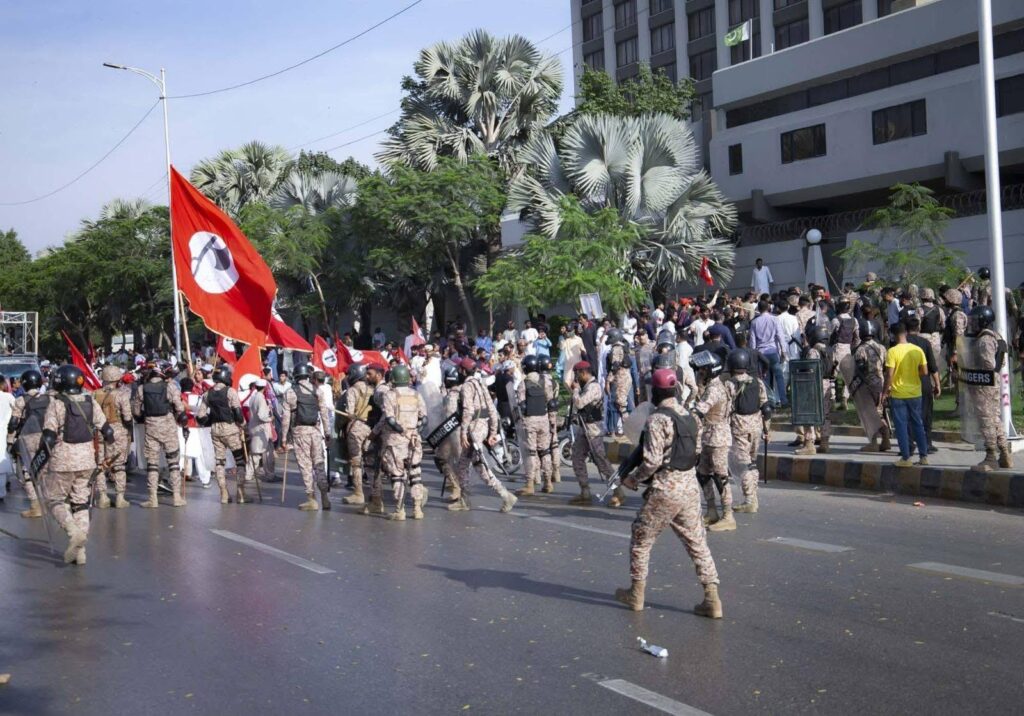
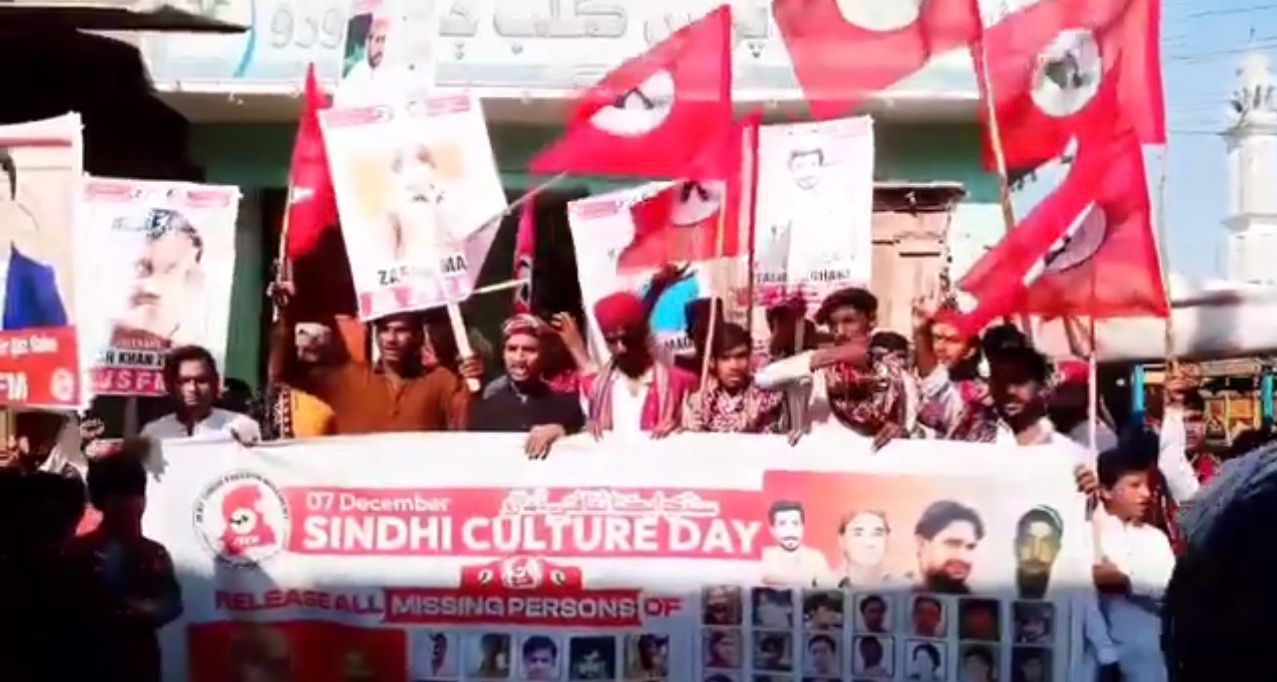
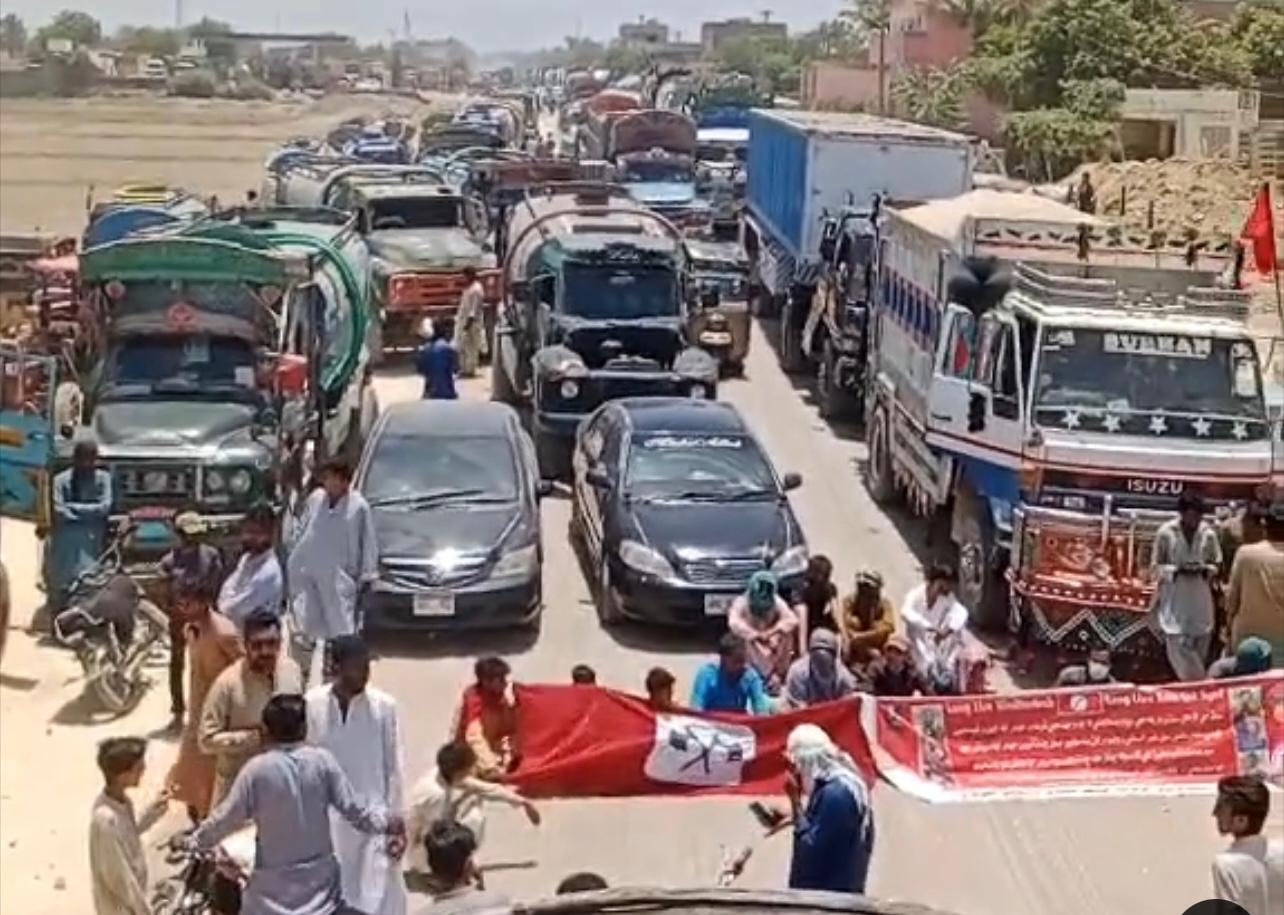
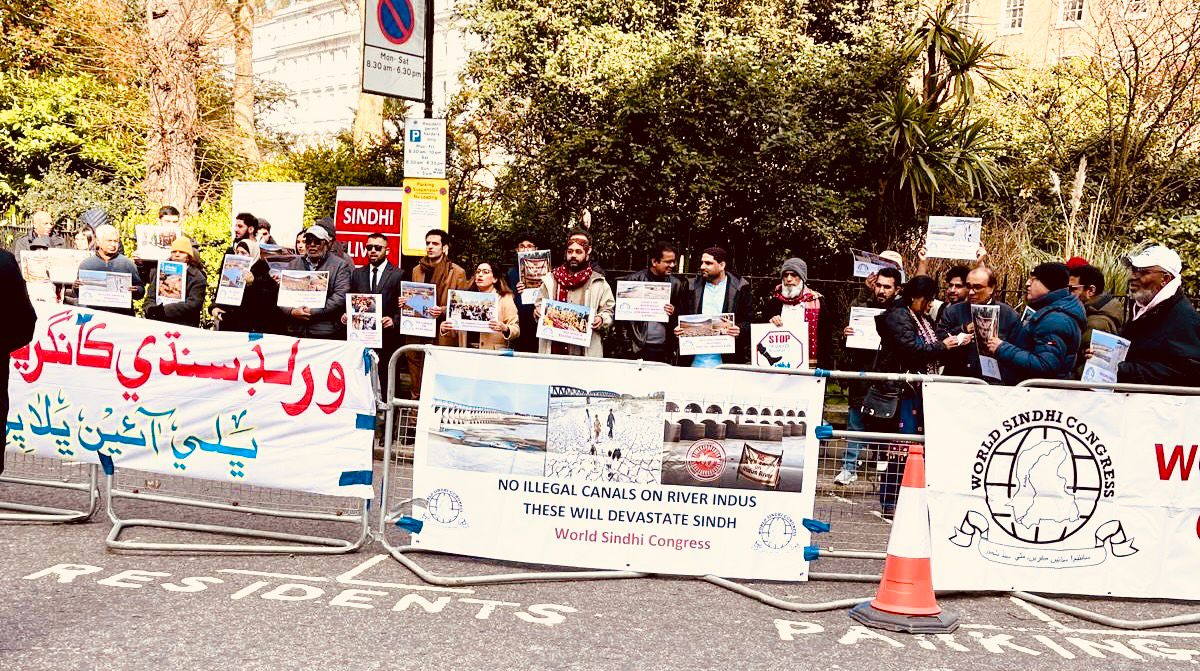
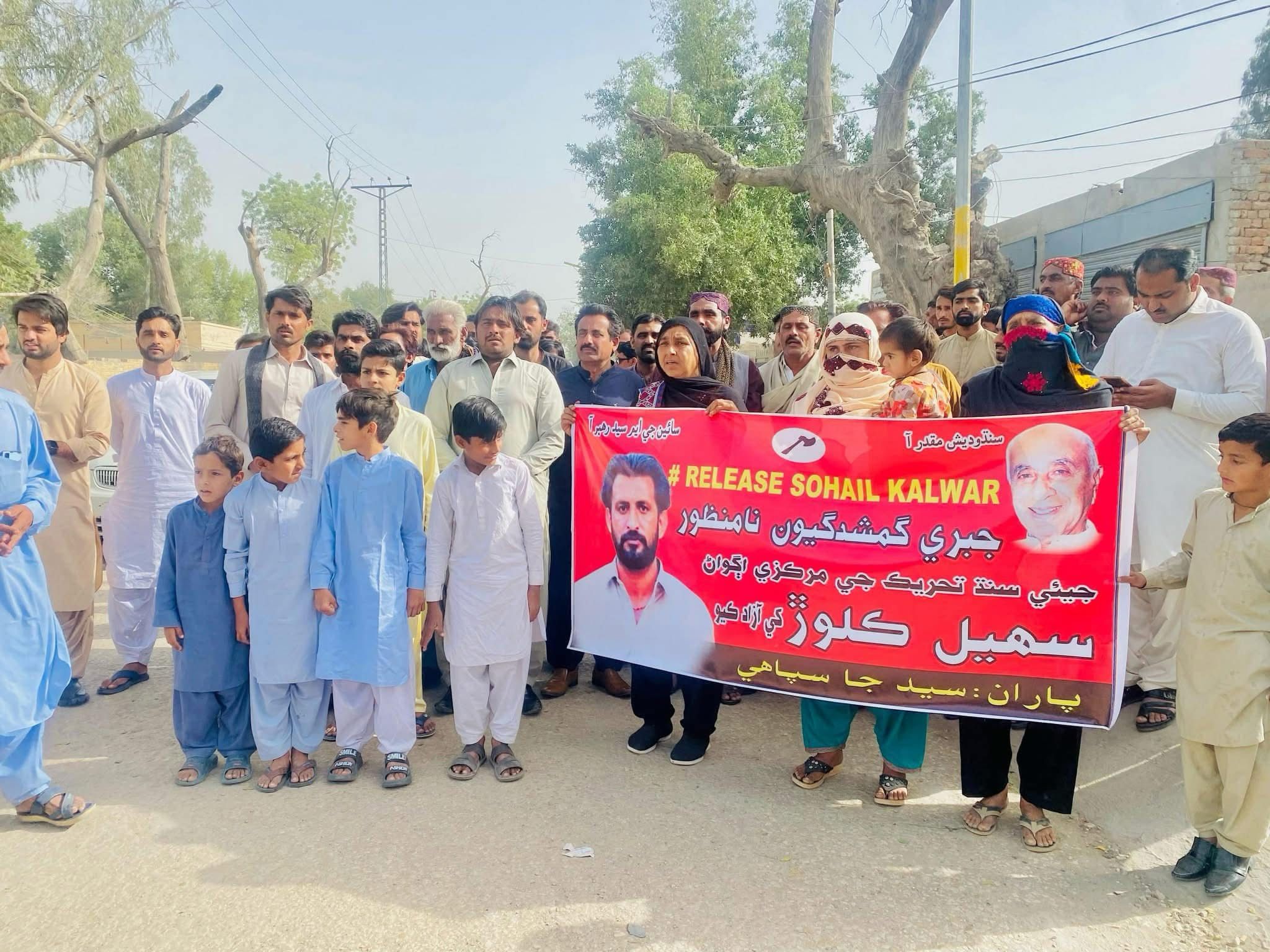
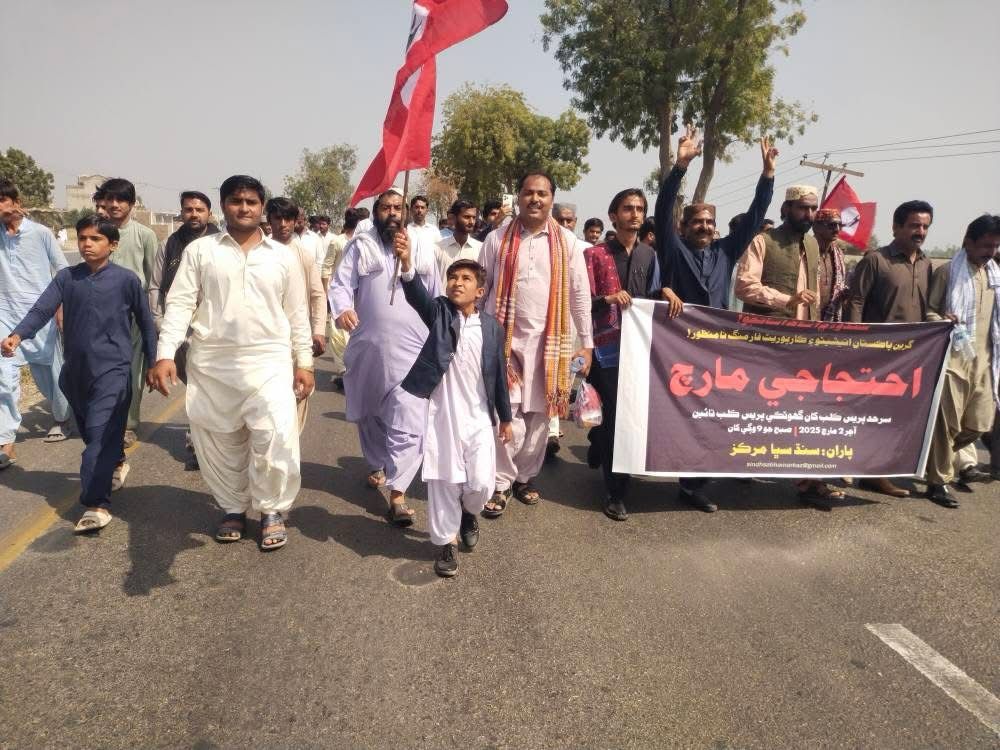
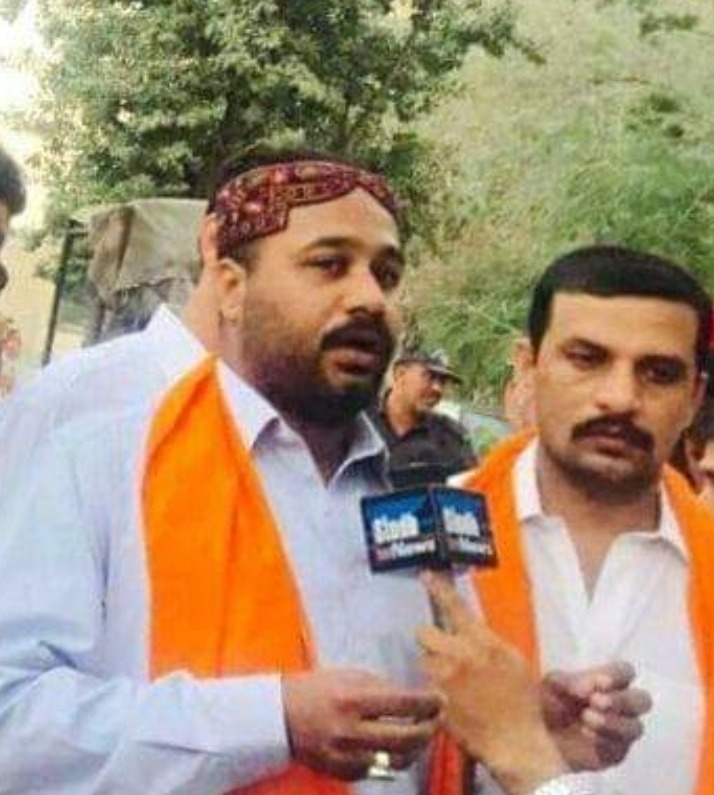
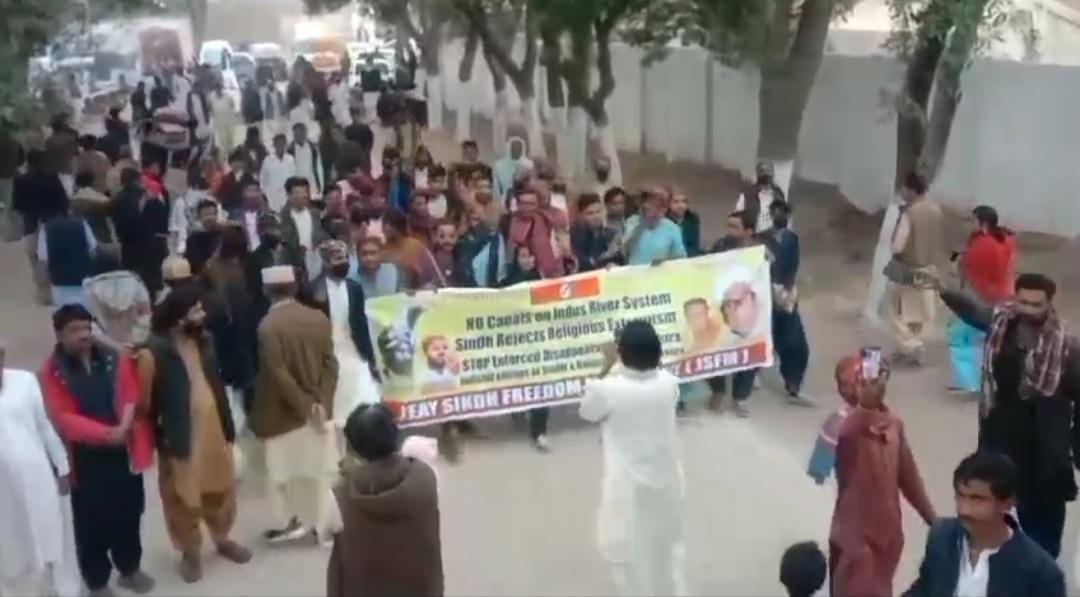
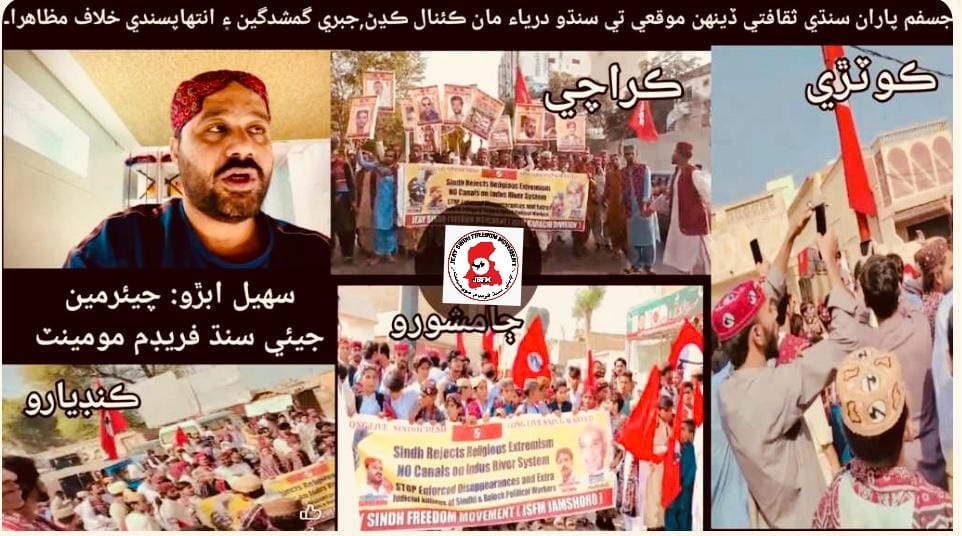
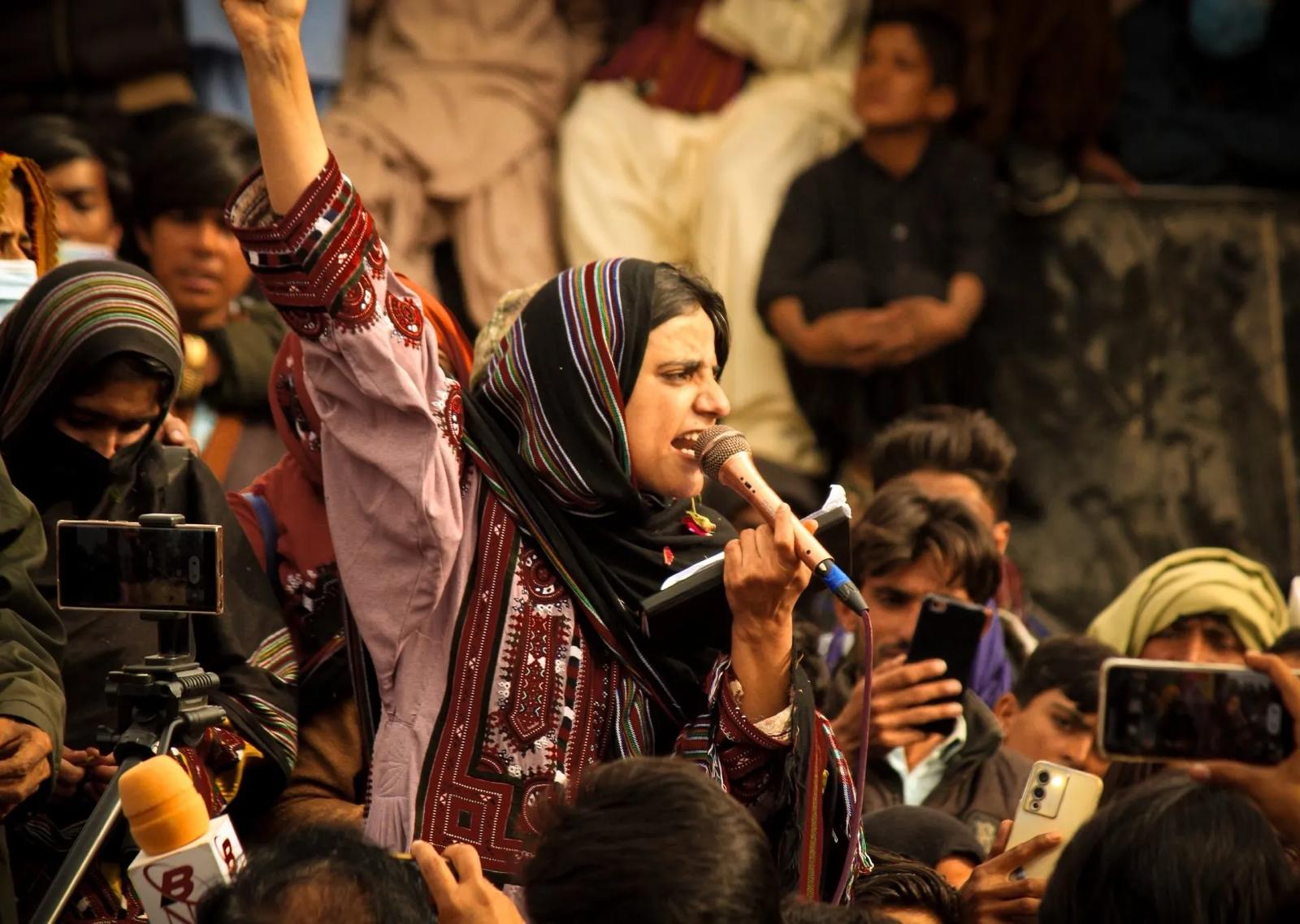
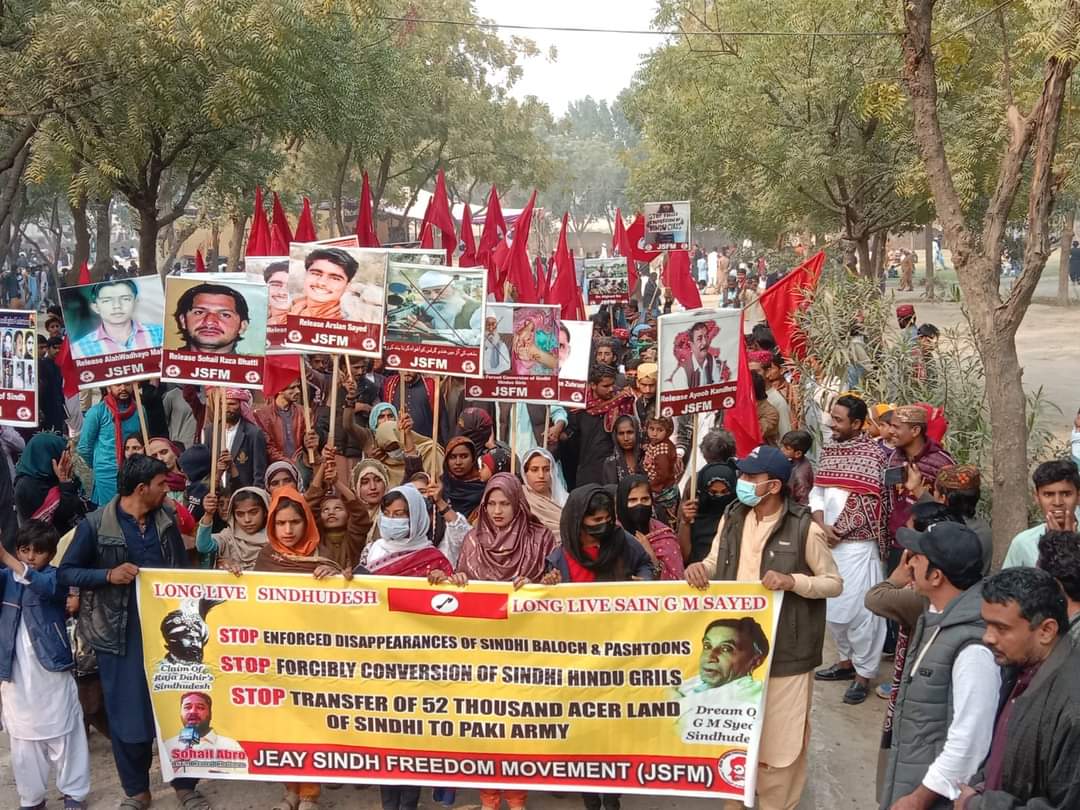
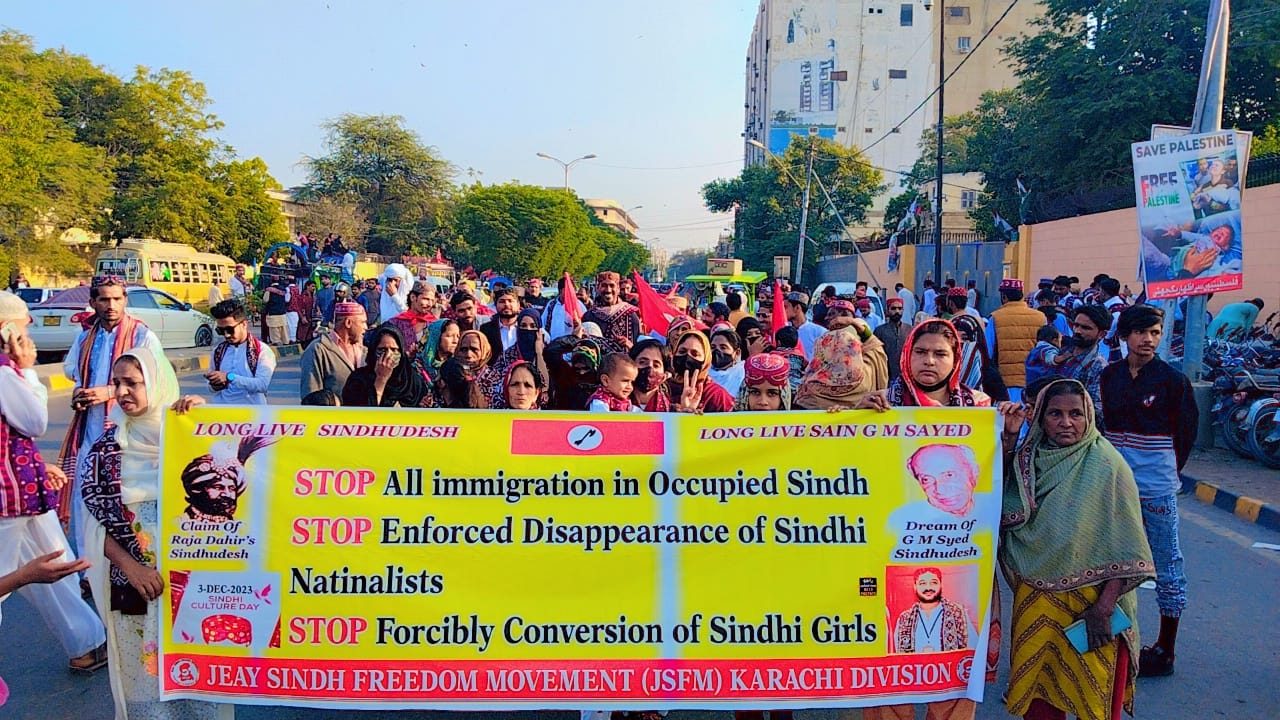
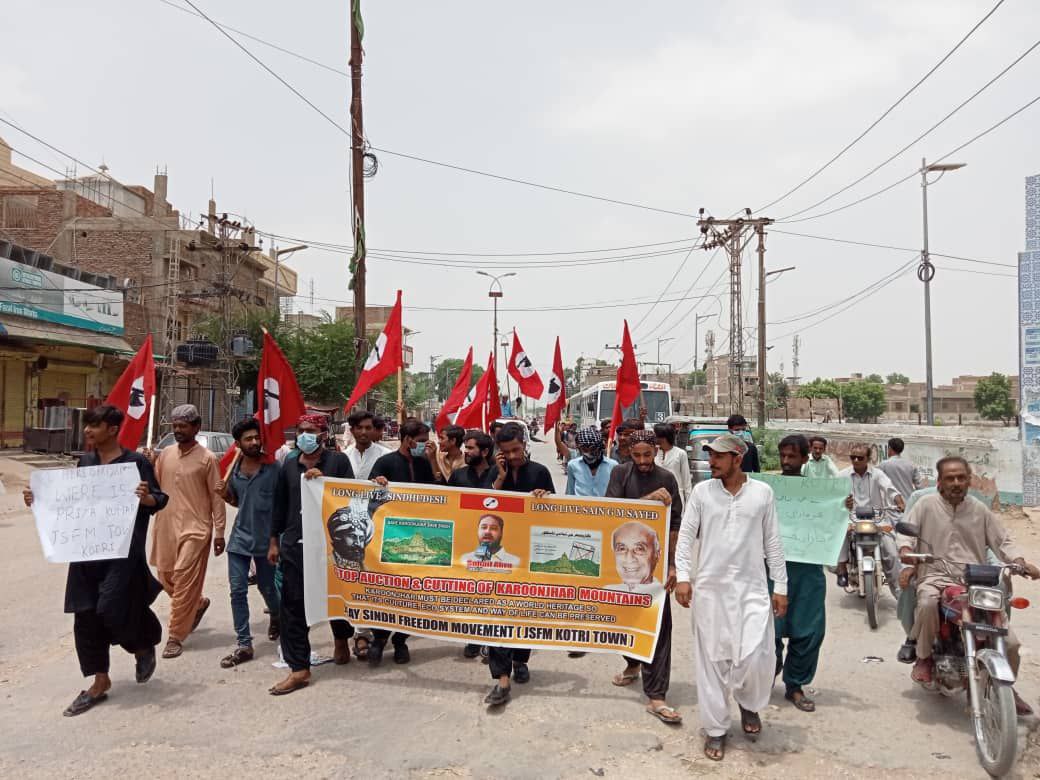
After a grueling 27-day journey spanning over 500 kilometers, the Jeay Sindh Qaumi Mahaz (Arisar)’s long march against the federal government’s controversial water policies and land auctions concluded in Karachi today. The protest, which began in Sukkur on January 28, drew thousands of Sindhi farmers, activists, and civil society members demanding urgent action to address the catastrophic decline of water in the Indus River, exacerbated by upstream canal projects and corporate land grabs.
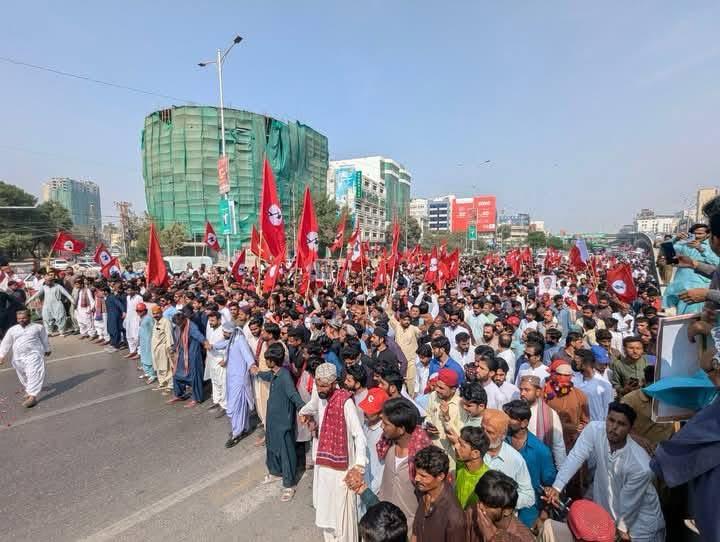
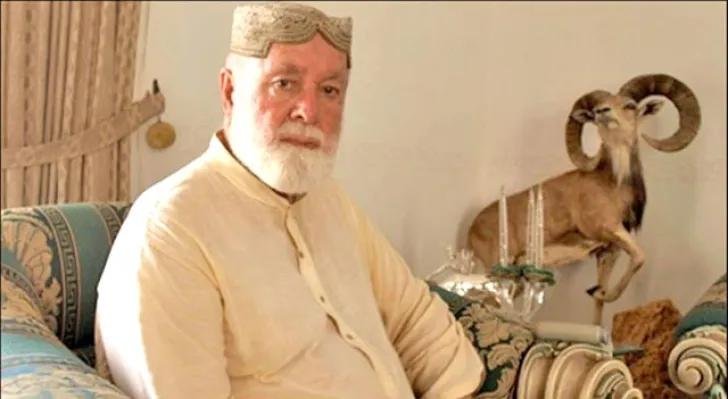
The Indus River, once the lifeblood of Sindh’s agrarian economy and the cradle of the ancient Indus Valley civilization, now runs perilously low, with its flow reduced to a trickle in many stretches. Protesters blame Punjab’s “water hegemony” for the crisis, accusing the federal government of prioritizing Punjab’s agricultural and industrial needs through the construction of 50 canals and nine dams on the Indus, which have siphoned off Sindh’s share of water. JSQM Chairman Aslam Khairpuri, addressing a charged crowd at Karachi’s iconic Frere Hall, warned, “The Indus is not just drying—it is being murdered. If Punjab’s six new canals are built, Sindh will become a desert, and our people will be forced to migrate or perish.
Decades of dwindling water flows have already devastated Sindh. Khairpuri highlighted that the province’s cultivable land has shrunk from 16 million hectares to 7 million, pushing millions of farmers into poverty. “Today, our fields are cracked, our delta is dying, and our children are thirsty,” he declared. The proposed canals, he argued, would irrigate 6.6 million hectares in Punjab while rendering an equivalent area in Sindh barren. “This isn’t development—it’s hydro-colonialism,” said Abdul Fattah Channa, JSQM’s General Secretary.
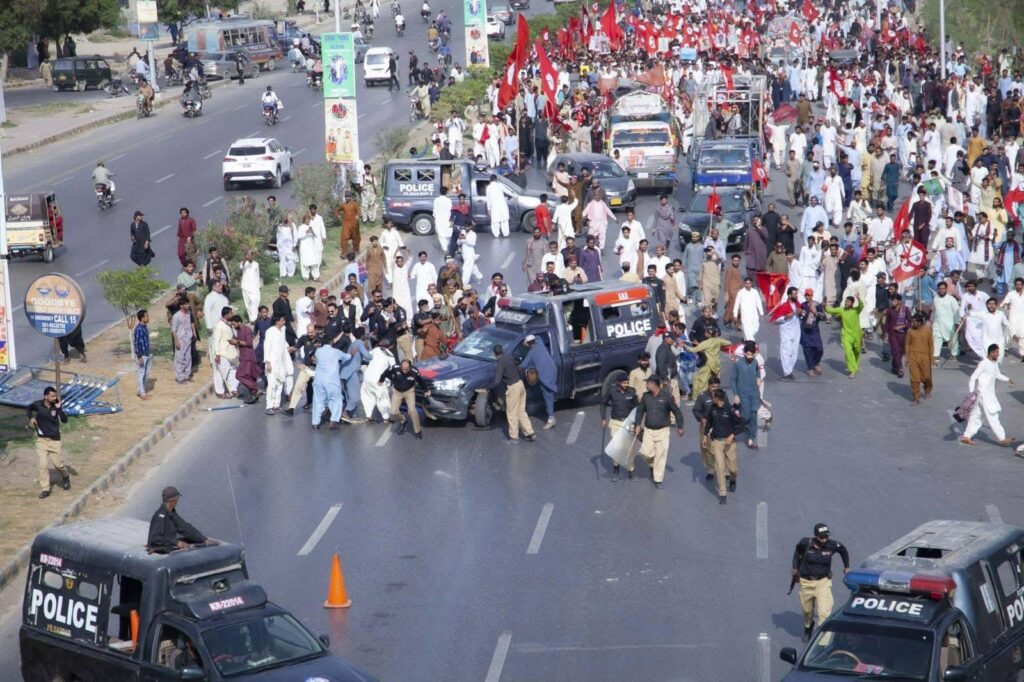
Protesters reserved fierce criticism for the federal government’s Green Pakistan Initiative, which aims to lease 9.2 million acres of agricultural land—5.2 million of them in Sindh—to foreign corporations for large-scale farming. “At a time when Sindh’s own farmers lack water to grow crops, our lands are being sold to outsiders who will guzzle the last drops of the Indus,” said Kiran Nizamani, a women’s rights activist marching with the group. Participants accused the Indus River System Authority (IRSA) of complicity, alleging that its “water supply certificates” for the new canals disregard Sindh’s existential needs.

The march’s participants shared harrowing accounts of Sindh’s water crisis. Ismail Naz Notkani, leader of JSQM , described how his village’s wells have turned saline due to the Indus’s reduced flow. “Our crops fail yearly, our livestock die, and our women walk miles for a pot of water,” he said. Environmental experts warn that the Indus Delta, once a thriving ecosystem, is now collapsing. Dr. Niaz Kalani JSQM-B leader, accompanying the march, stated, “Without adequate freshwater flow, the delta’s mangroves are vanishing, and seawater intrusion is poisoning our soil. Sindh is becoming uninhabitable.”
The march united diverse voices, from Karachi Bar Association leader Rehman Korai Advocate to peasant leader Sorat Lohar and poet Mehar Dabai, whose verses lamented the “river of sorrows.” Notably, SUP leader Jagdish Ahuja joined, stressing that water scarcity affects all Sindhis regardless of faith. “This is not just Sindh’s fight—it’s a battle for Pakistan’s soul,” said Taj Joy , a civil rights organizer.
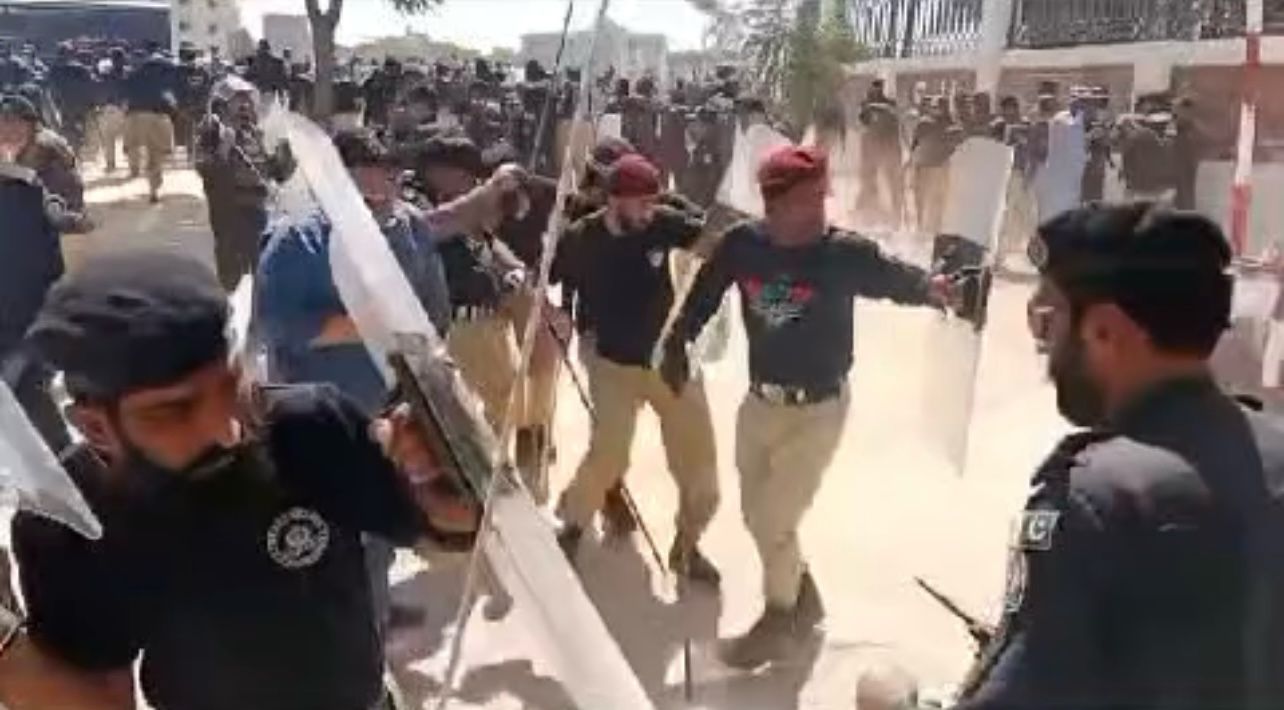
Despite the marchers’ demands for dialogue, the federal and provincial governments have remained conspicuously silent. Protesters vowed to escalate their movement, with plans for sit-ins outside IRSA offices and international advocacy campaigns. “We will not let Sindh become the next Thar Desert,” Khairpuri thundered.
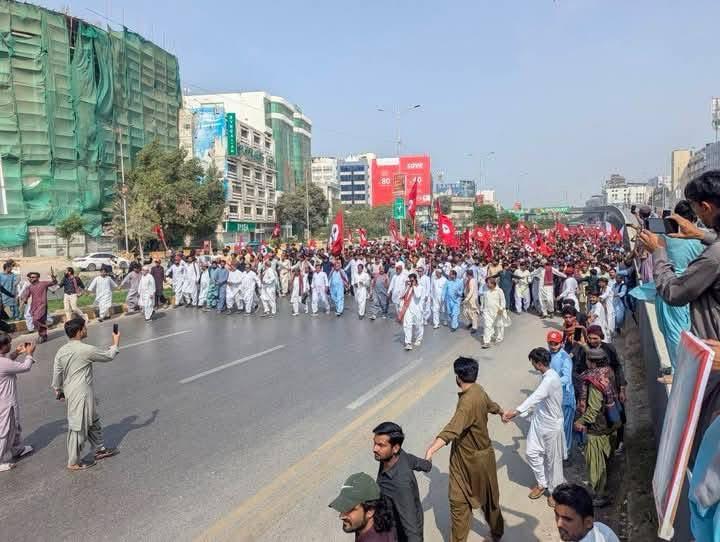
As the marchers dispersed, questions lingered: Will Islamabad heed Sindh’s cries, or will the Indus—and the 50 million people depending on it—continue to wither? For now, the protesters’ message is clear: Without equitable water distribution and an immediate halt to corporate land auctions, Sindh’s survival hangs in the balance.