UN Fact-Finding Missions Needed to Investigate Human
Rights Situation in Pakistan-Administered Azad Jammu
Kashmir and Gilgit Baltistan, and Indian-Administered
Jammu Kashmir.
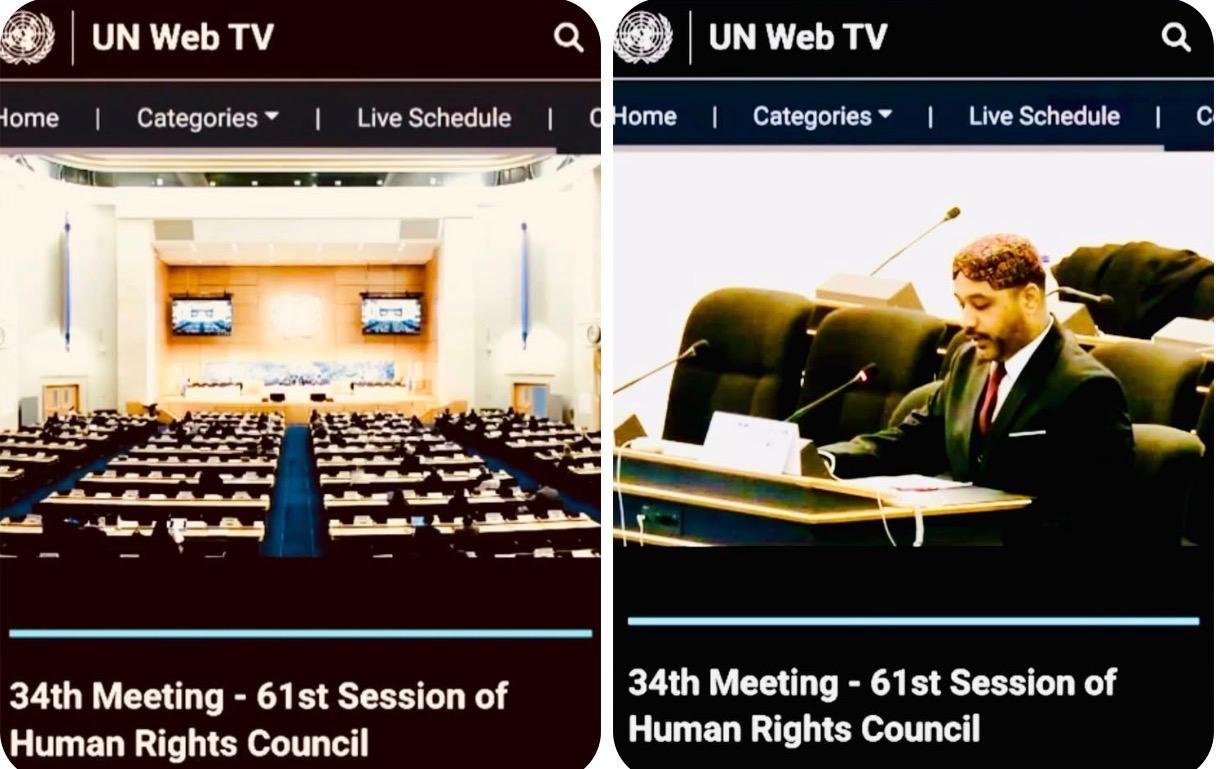
CIRAC seeks to draw the attention of the United Nations to the alarming human rights
situation in the forcibly divided, erstwhile princely state of Jammu and Kashmir and urges a
follow-up on the UN High Commissioner for Human Rights Reports of 2018 and 2019 on
Kashmir
For over seven decades, these regions have endured systemic political, social, and economic
marginalization. It is imperative that the UN take immediate and decisive action to address
the widespread and persistent violations of fundamental human rights.
Since the partition of the Indian subcontinent in 1947, the inhabitants of Azad Jammu and
Kashmir and Gilgit-Baltistan have faced extensive political repression, resulting in
longstanding disenfranchisement. Despite the strategic significance of these territories, the
people living within them have been denied political rights, including representation in the
Legislative Assembly. Consequently, governance in these territories remains under the direct
control of Pakistan, leaving citizens deprived of basic political autonomy and their right to
self-determination.
The continued suppression of fundamental rights in these territories directly contravenes a
number of core international human rights principles, notably as enshrined in the Universal
Declaration of Human Rights (UDHR), which recognizes, in Articles 21 and 27, the rights to
participate in government and to freely express one’s opinions. Furthermore, Article 15 of
the International Covenant on Civil and Political Rights (ICCPR) guarantees individuals the
right to assemble freely and to express their political views. However, these rights are
systematically denied to the people of AJK and GB, with political activists, journalists, and
civil society members facing harassment, arbitrary detention, and, in many cases,
extrajudicial killing.
Freedom of expression, assembly, and the press are fundamental pillars of democracy and
essential to the exercise of individual freedoms. Pakistan`s ongoing efforts to stifle
independent media and suppress peaceful protests in AJK and GB are in direct violation of
the ICCPR which Pakistan ratified in 2010. Specifically, Articles 19 and 21 of the ICCPR
recognize the fundamental rights to freedom of expression and peaceful assembly.
The harassment of journalists and civil society organizations, the use of military tribunals
against civilians, and the violence employed against peaceful protesters are glaring examples
of the Pakistani authorities’ failure to adhere to the most basic principles of international
human rights law. The deliberate suppression of dissent and the targeting of independent
media are critical violations of the International Convention on the Elimination of All Forms
of Racial Discrimination (CERD), particularly Article 5, which guarantees the right to
freedom of expression and access to information.
Despite the strategic geographical location and significant natural resources of these regions,
the Pakistani government has failed to invest adequately in infrastructure, healthcare,
education, and socio-economic development.
Healthcare in Azad Jammu & Kashmir and Gilgit Baltistan is in a state of crisis. Hospitals
and clinics remain underfunded, and rural areas suffer from a severe lack of medical
professionals and resources. The International Covenant on Economic, Social and Cultural
Rights (ICESCR), to which Pakistan is a signatory, obligates the state to ensure the highest
attainable standard of physical and mental health under Article 12. The failure to provide
basic healthcare services to these populations constitutes a flagrant violation of this
commitment, resulting in preventable deaths and suffering, particularly among vulnerable
groups such as women, children, and the elderly.
Similarly, the education system in these regions is characterized by limited access, poor
infrastructure, and outdated materials. The lack of investment in education violates Article
13 of the ICESCR, which recognizes the right of everyone to education and the state’s duty
to provide accessible and quality education to all. Consequently, a large segment of the
population remains illiterate, particularly girls, thereby hindering socio-economic mobility
and perpetuating cycles of poverty and extremism.
The economic development of these regions has been similarly neglected. Despite their
natural wealth, the lack of investment in key sectors such as agriculture, industry, and
infrastructure has resulted in high unemployment rates, poverty, and the lack of basic
necessities such as clean water, electricity, and sanitation.
This neglect exacerbates the socioeconomic disparities between these territories and the rest of Pakistan, further entrenching
the sense of alienation and resentment among the population.
The United Nations must take immediate and decisive action to address the grave and
persistent violations of human rights in Azad Jammu & Kashmir and Gilgit-Baltistan. The
United Nations must exert pressure on Pakistan to uphold its obligations under UDHR and
the International Covenants on Civil and Political Rights (ICCPR) and Economic, Social and
Cultural Rights (ICESCR).
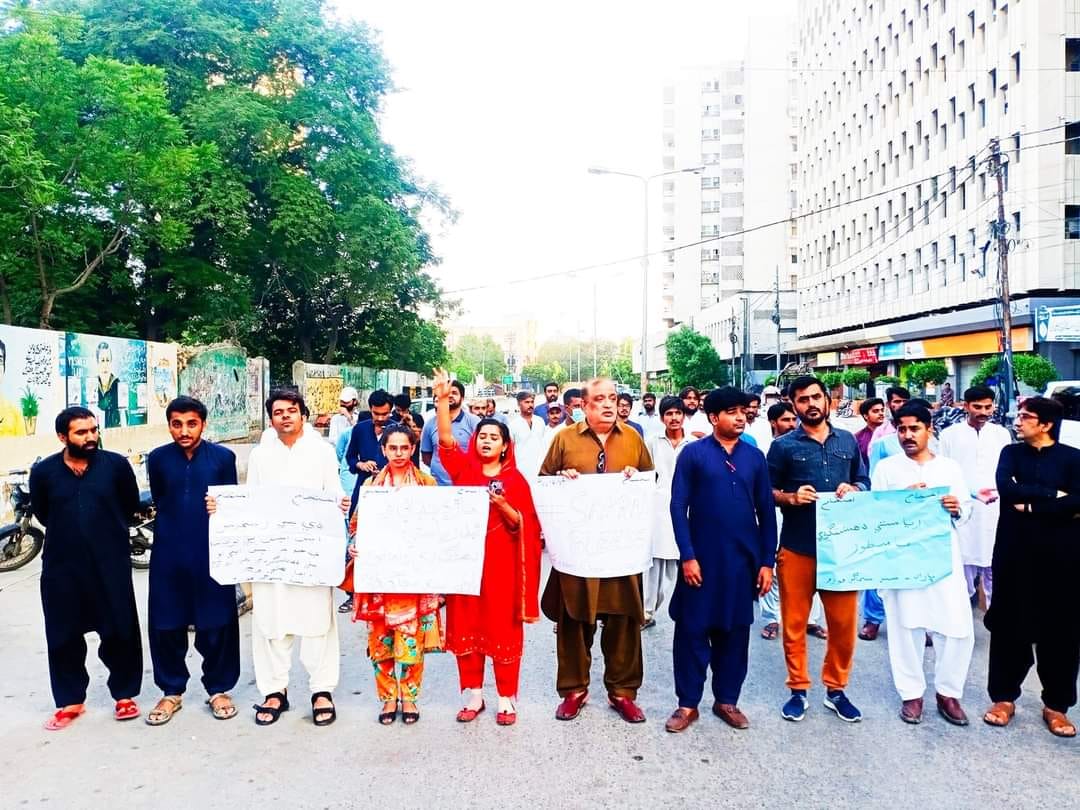
The immediate cessation of arbitrary arrests, detentions, and violence against peaceful
protesters and human rights defenders. The restoration of the freedom of speech, assembly,
and expression, and the protection of journalists and media organizations from harassment
and violence. The provision of adequate healthcare, education, and development assistance
to the regions. The recognition of the right to self-determination for the people of Jammu &
Kashmir, in accordance with UN General Assembly Resolution 1514 (1960), which affirms
the right of peoples to self-determination and independence.
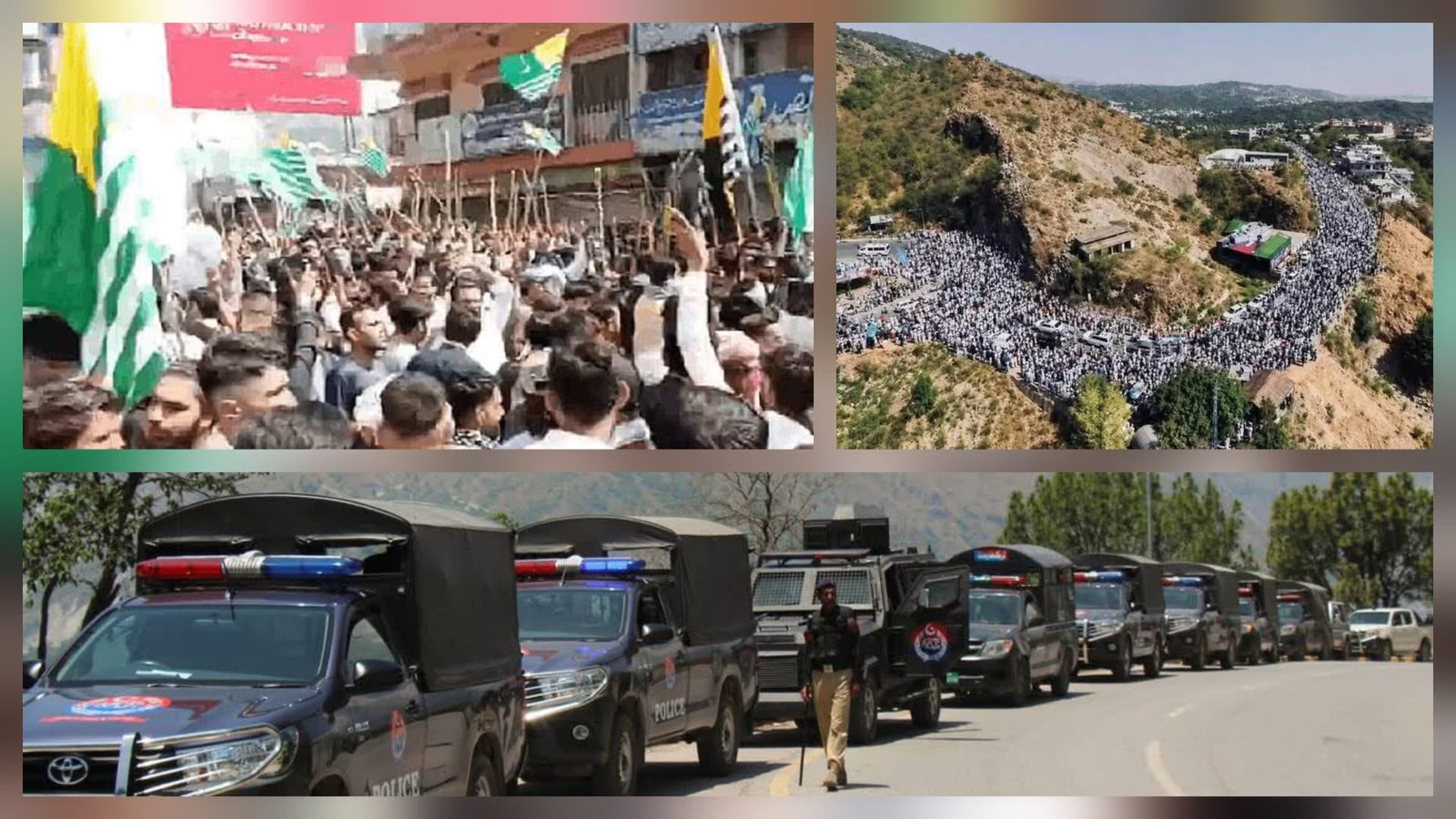
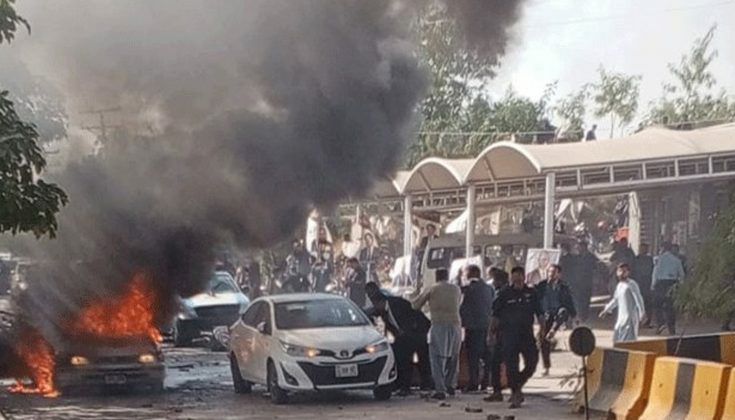
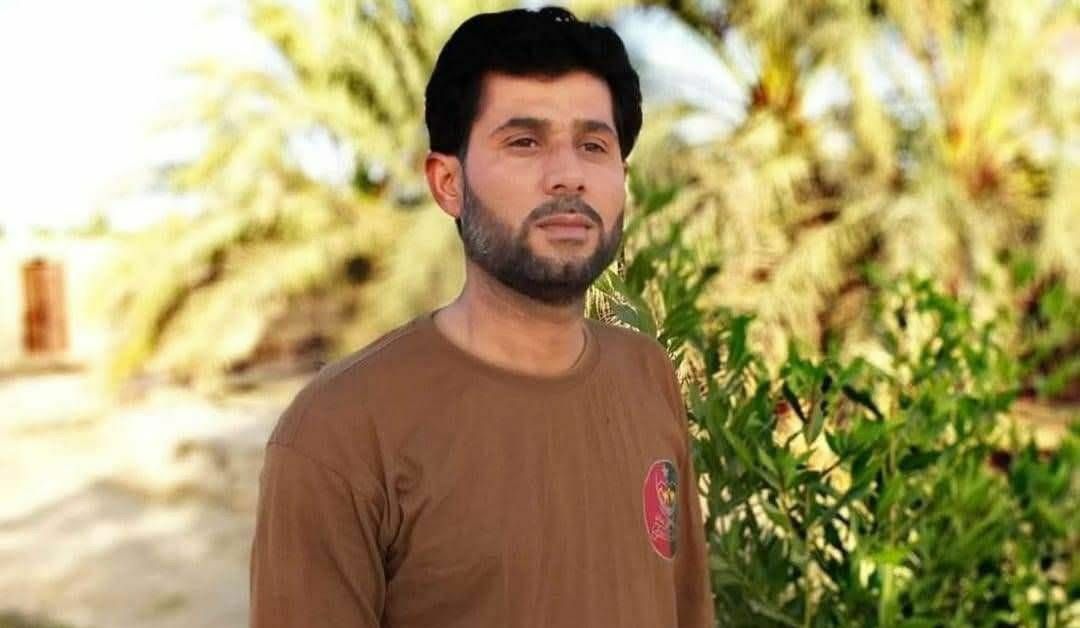
The UN must ask Pakistan immediately cease the military trial of civilians in Azad Jammu
& Kashmir, including cases like that of Raja Madassar, which clearly contravene
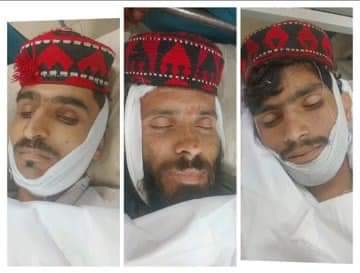
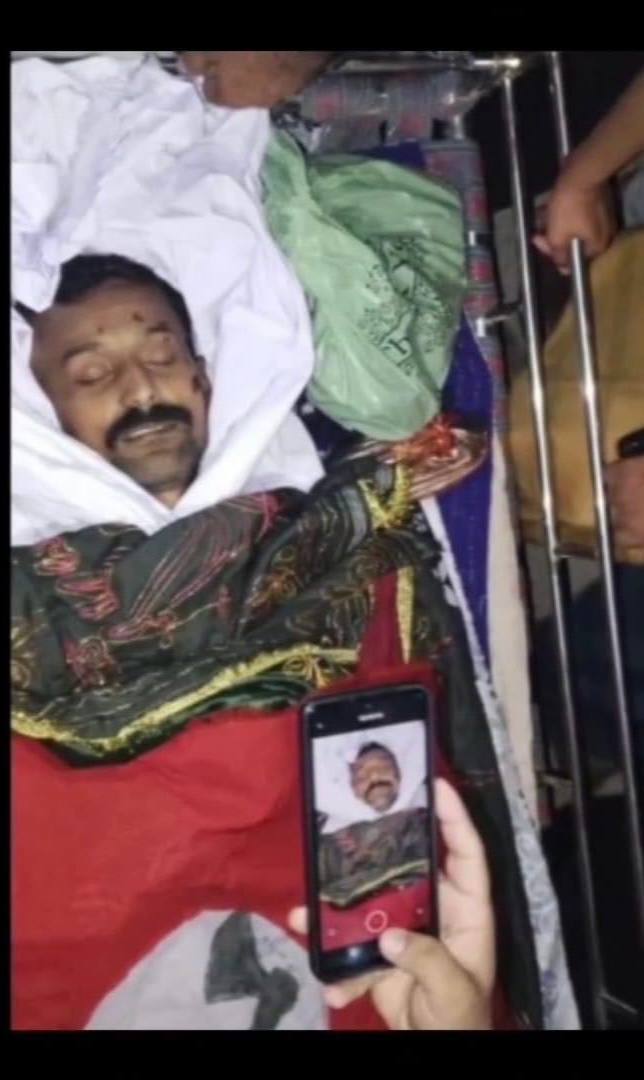
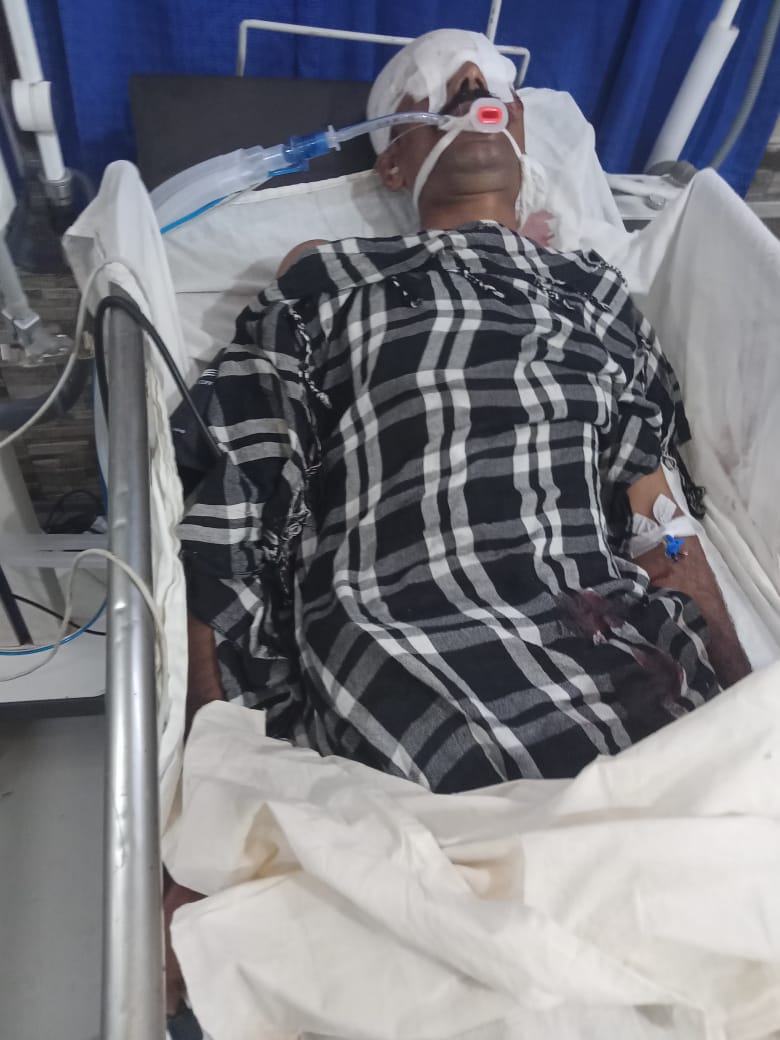
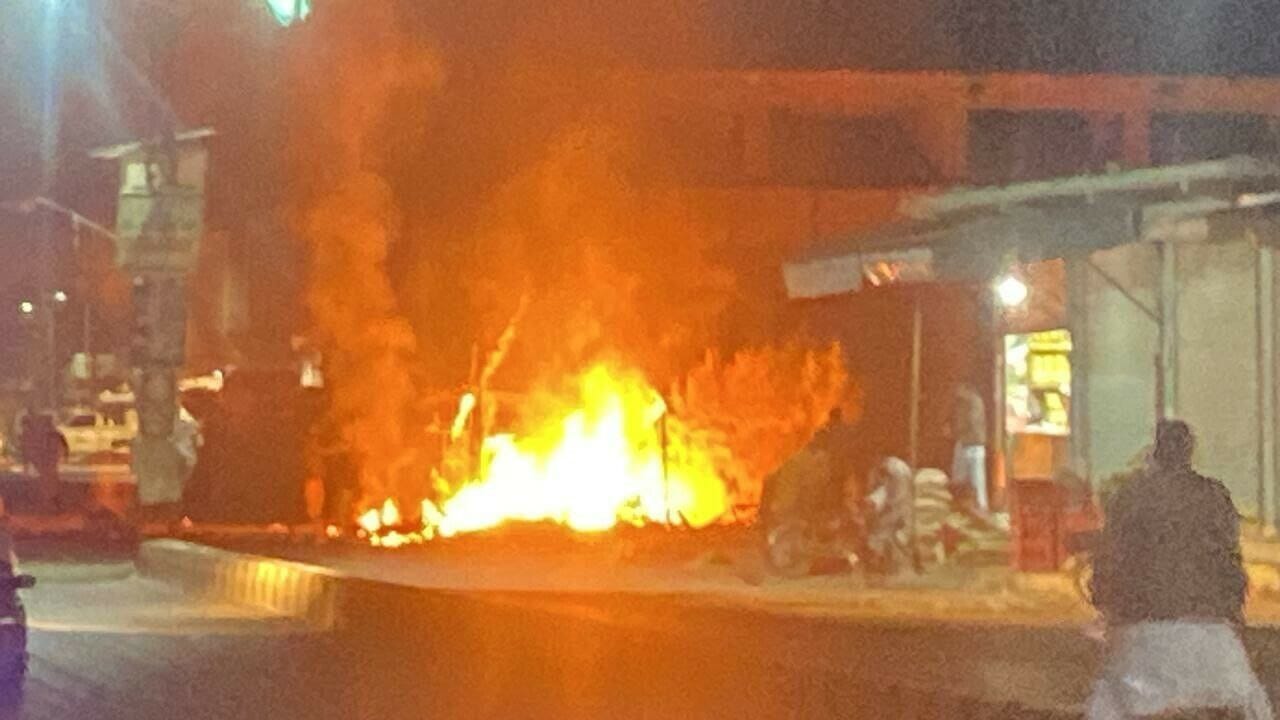
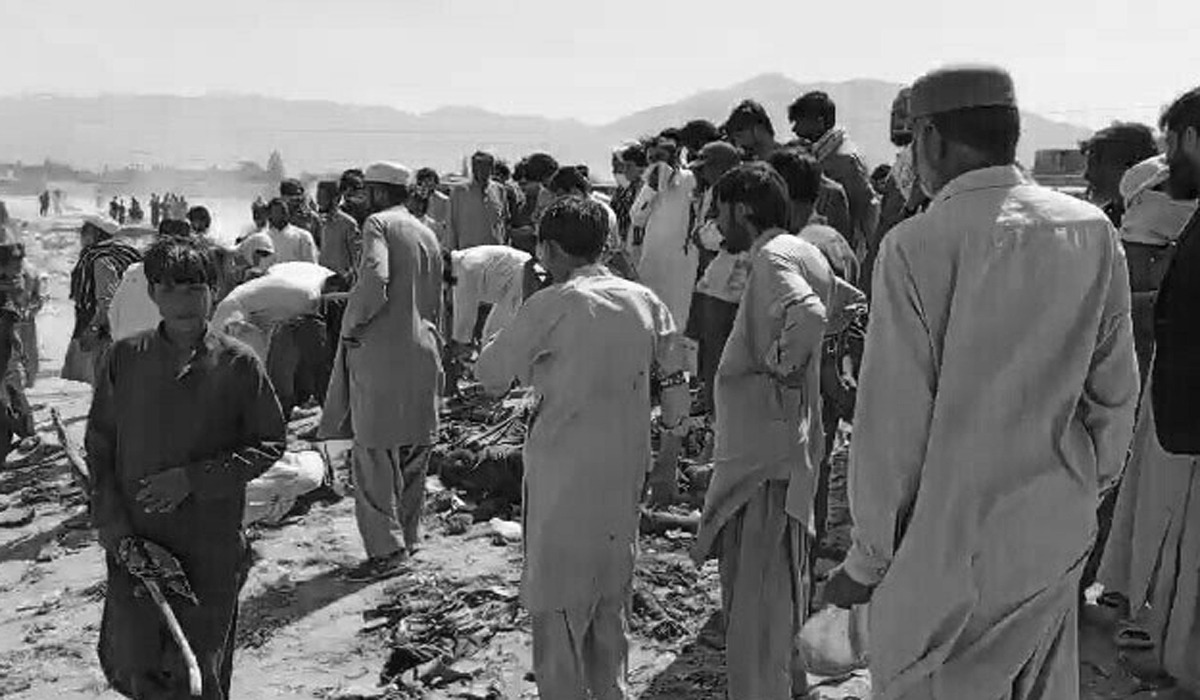
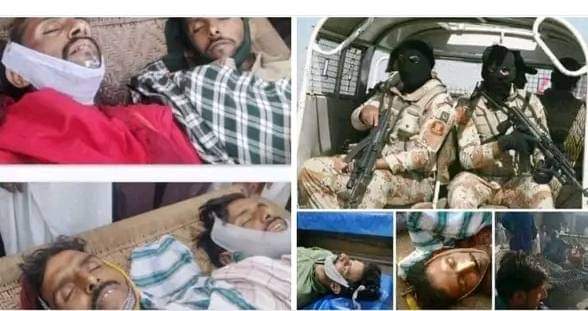
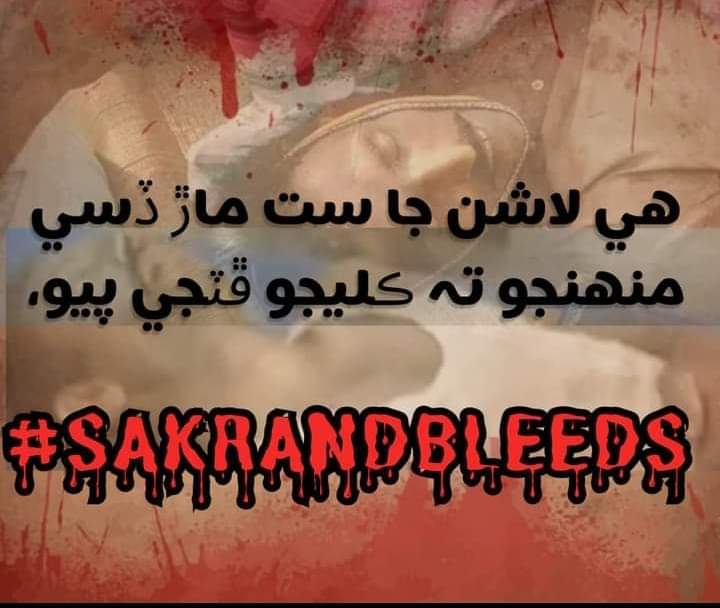
international human rights standards. Moreover, the killing of three innocent protesters in
Muzaffarabad Azad Kashmir by Pakistani Rangers requires an independent international
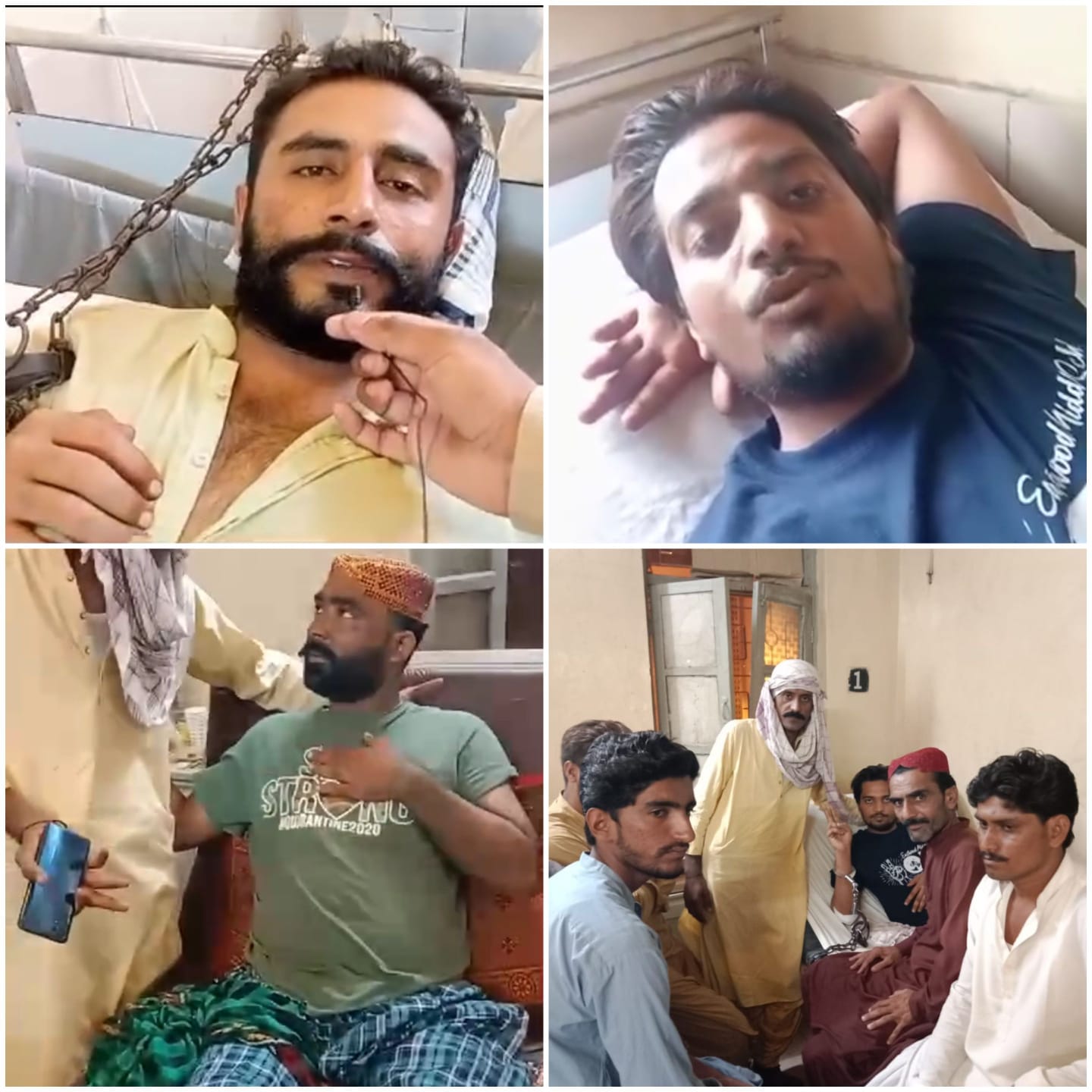
inquiry to ensure accountability. The politically motivated cases against peaceful activists
must also be withdrawn, and the perpetrators of these killings and human rights violations
should be held accountable.
The people of Azad Jammu & Kashmir and Gilgit-Baltistan have endured decades of neglect,
repression, and deprivation of their basic rights. It is incumbent upon the international
community, through the United Nations and other human rights organizations, to advocate
for their fundamental rights and push for meaningful change. The violations of political, civil,
and socio-economic rights in these territories cannot be ignored any longer.
We urge the governments of Pakistan and India to respect the Jammu and Kashmir State
Subject Rule of 1927, which prohibits foreigners from buying land and grants special status
to the people of Jammu and Kashmir.
We demand that Pakistan and India cease violations of the State Subject Rule and refrain from plundering of natural resources and settling their people in the disputed territories of Jammu and Kashmir, Ladakh, Azad Kashmir, and Gilgit-Baltistan under the pretexts of development, green tourism, or defense. Such actions must be prevented to avoid demographic changes in the region.
The people of the erstwhile princely state of Jammu and Kashmir have been denied their
freedom of movement since 1947. Not only has the land been forcibly divided, but families
have also been separated and are not allowed to meet or interact with each other.
The people of the erstwhile princely state of Jammu and Kashmir have been denied their
freedom of movement since 1947. Not only has the land been forcibly divided, but families
have also been separated and are not allowed to meet or interact with each other electronic travel cards for movement within Jammu and Kashmir. This measure will facilitate forcibly divided families to meet and interact.
CIRAC acknowledges the significance of the recent resolution passed by the Jammu and
Kashmir State Assembly (Indian-administered), advocating for the restoration of special
status and statehood, which was abrogated on August 5, 2019. We hope that, as a democratic
country, India will respect the mandate and wishes of the people of Jammu and Kashmir.
We recall India’s entry into the state of Jammu and Kashmir under the Treaty of Accession
in 1947, which placed a responsibility on India to ensure the unification of the entire Princely
State of Jammu Kashmir and to protect the lives, liberties, and properties of Kashmiris.
CIRAC calls upon India to honor its commitments and pledges made to the people of Jammu
and Kashmir. The restoration of statehood, including that of Ladakh, and the reinstatement
of special status are vital steps toward addressing the grievances and aspirations of the people
Jammu Kashmir while upholding justice, peace, and democratic principles.
Restoring the region’s territorial integrity is essential for fostering long-term peacebuilding
and regional cooperation.
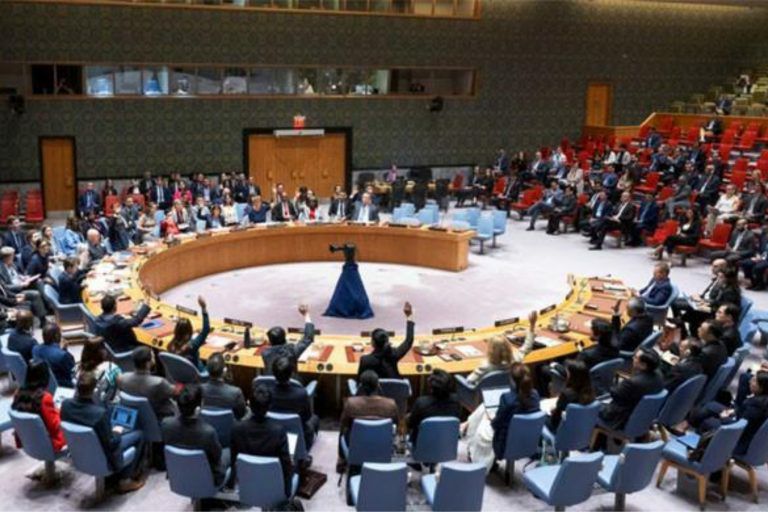
CIRAC calls upon the United Nations to initiate an independent investigation into human
rights violations in all parts of the former princely state of Jammu and Kashmir. We urge
decisive action to hold both Pakistan and India accountable for their international obligations.
Sardar Shaukat Ali Kashmiri
Administrative Director CIRAC To UN Geneva